Alcohol-Free Herbal Tinctures vs Alcohol-Based: What to Look For on a Label
| The difference | Alcohol-based tinctures use food-grade alcohol as the solvent; alcohol-free extracts use vegetable glycerine and/or water instead. |
| Effectiveness | For common lymphatic and cleansing herbs, a well-made alcohol-free glycerite is a practical everyday choice. |
| Why go alcohol-free | No alcohol burn, no daily alcohol intake, naturally sweeter taste — easier to take consistently. |
| Label tip | Check the solvent, the herbs by Latin name and plant part, the serving size and the country of manufacture. |
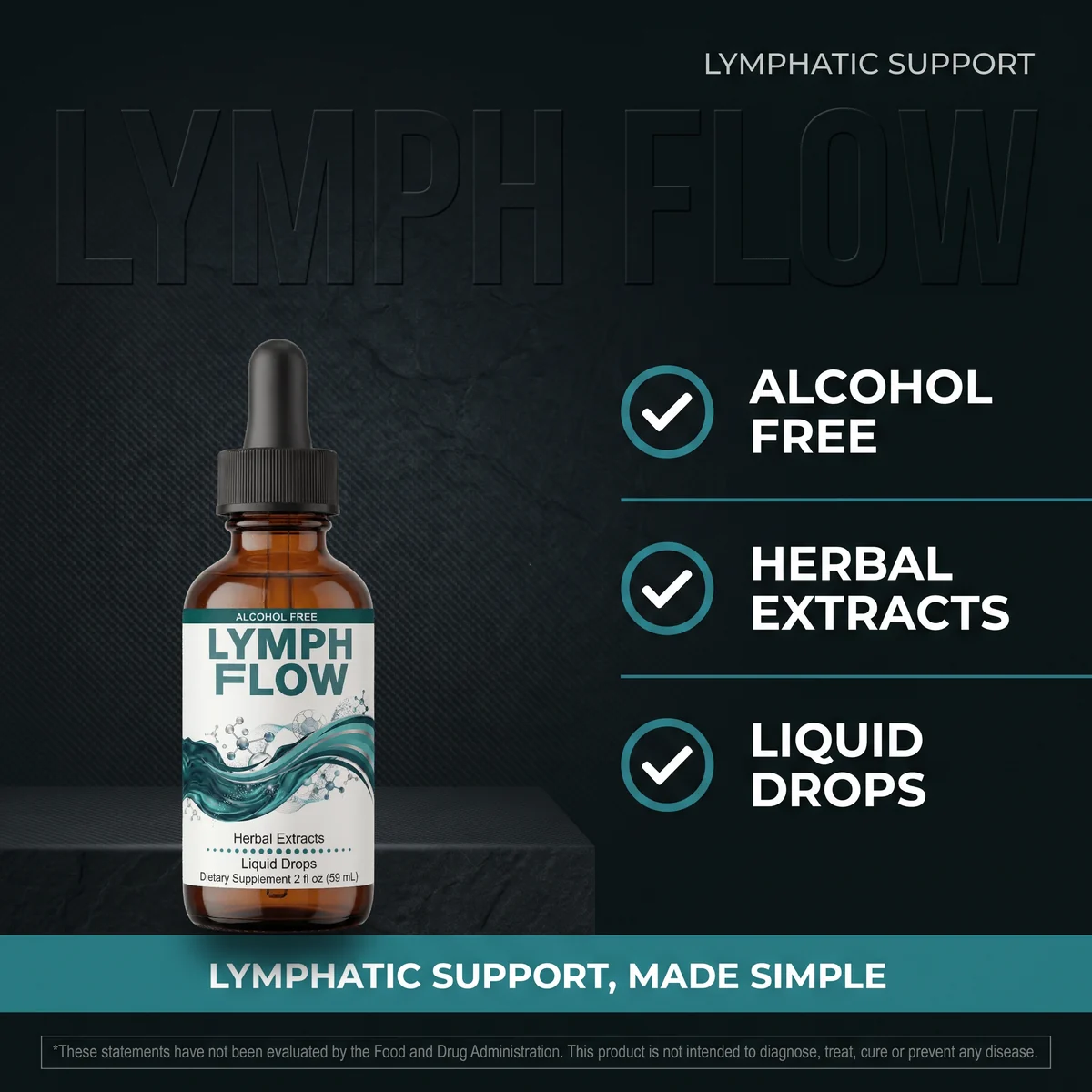
Walk down the herbal aisle and you will see two kinds of liquid drops that look almost identical: traditional alcohol-based tinctures and modern alcohol-free extracts. They come in the same little amber bottles with the same droppers, but they are made differently — and if you are going to take a herbal blend every day, the difference is worth understanding. This guide explains how each is produced, what it means for absorption and daily use, and exactly what to look for on a label so you can choose with confidence.
Grounding note as always: this is general information about supplement formats, not medical advice. Herbal supplements are for general wellness and are not intended to diagnose, treat, cure or prevent any disease.
First, what a “tincture” actually is
A tincture is simply a liquid herbal extract. To make one, you steep plant material in a solvent — herbalists call it the menstruum — that pulls the plant's active compounds out of the fibre and into the liquid, then acts as a preservative so the extract keeps for years. The choice of solvent is the whole ballgame here, because different solvents dissolve different compounds and carry very different practical trade-offs.
The two solvents you will meet most often are ethanol (food-grade alcohol) and vegetable glycerine (a sweet, syrupy liquid derived from plant oils). A glycerine-based extract is technically called a glycerite, and it is what most products mean by “alcohol-free.” Some alcohol-free extracts also lean on water and gentle heat, or a small amount of another food-grade preservative.
How alcohol-based tinctures work
Why solvent choice matters at all is a chemistry question, not a marketing one. The NIH Office of Dietary Supplements' background on botanical dietary supplements explains that the extraction solvent, the plant part and the preparation method together determine which constituents end up in the bottle — which is why two products from the same herb are not interchangeable.
Alcohol has been the herbalist's default solvent for centuries, and for good reasons. It is excellent at dissolving a wide range of plant compounds — including resins, essential oils and certain alkaloids that water and glycerine struggle with — and it is a superb preservative, giving tinctures a very long shelf life. If you want to extract the full spectrum of a resinous or oily herb, alcohol is hard to beat.
The downsides are equally real. Alcohol tinctures taste sharp and can burn under the tongue; they deliver a small amount of alcohol with every dose, which some people prefer to avoid entirely; and that alcohol content makes them unsuitable for anyone avoiding it for health, personal, religious or lifestyle reasons. For a herb you take once in a while, none of that matters much. For a blend you take every day for months, it starts to add up.
How alcohol-free (glycerite) extracts work
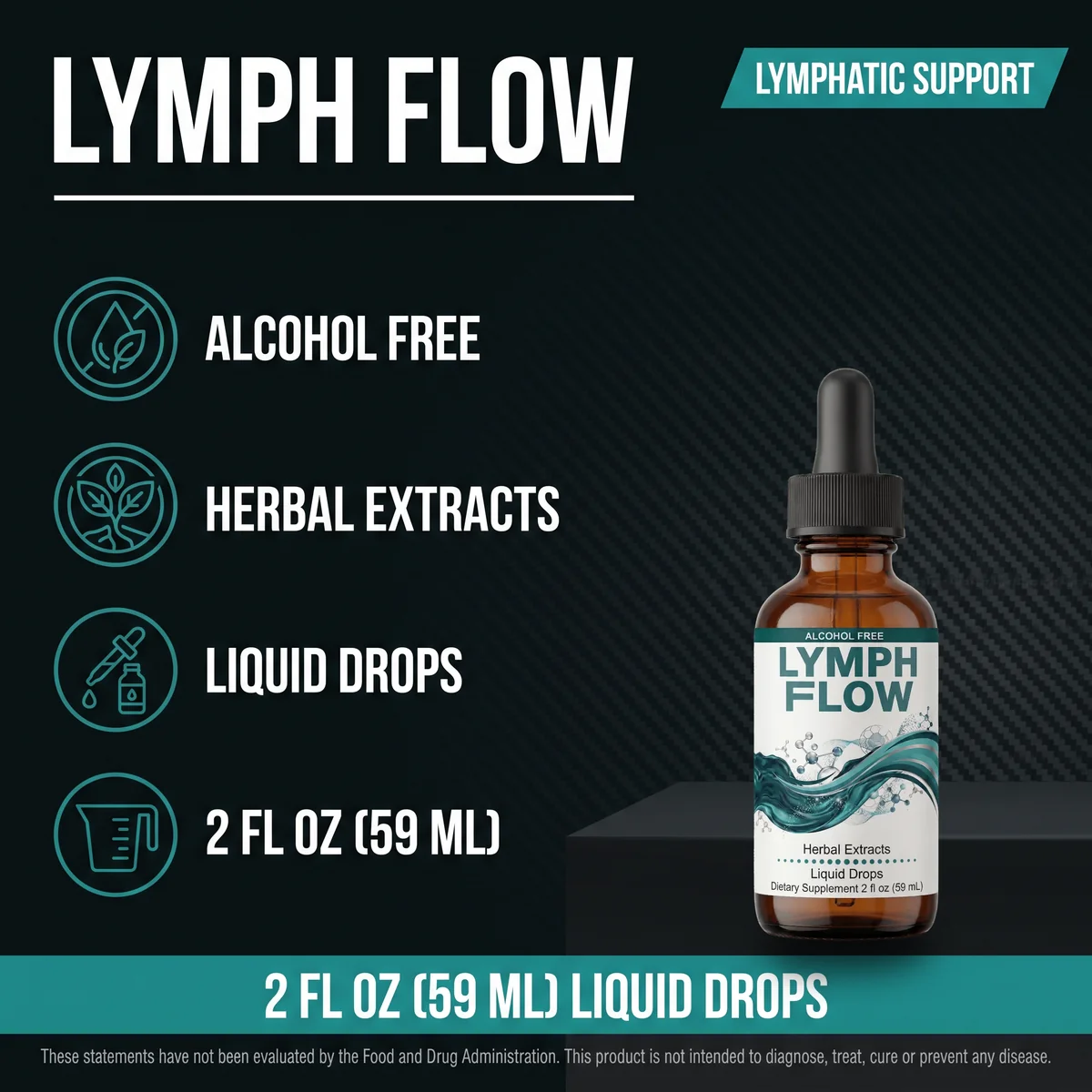
Glycerine is naturally sweet and gentle, which is why alcohol-free drops are so much easier to take — there is no burn, and the flavour is mild enough to hold under the tongue. Glycerine is a good solvent for the water-soluble and glycerine-soluble compounds in many common herbs, which covers a great deal of what lymphatic and cleansing botanicals have to offer.
It is only fair to note the trade-off: glycerine is less efficient than alcohol at pulling out the most resinous or oily fractions of certain plants, and glycerites can have a somewhat shorter shelf life. For the everyday lymphatic and detox-support herbs — cleavers, red root, burdock, dandelion, and so on — a well-made glycerite is a thoroughly practical choice. If you want the deep dive on those individual herbs, see our guides to cleavers for lymphatic drainage and burdock and dandelion root benefits.
Why LymphFlow is alcohol-free
Because LymphFlow is designed to be taken daily over weeks and months, it is made as an alcohol-free liquid. That decision is about consistency: a supplement only helps if you actually take it, and a gentle, sweet-tasting dropper is far easier to build into a real routine than something that makes you wince. You can see the full botanical line-up on the LymphFlow ingredients page.
Alcohol-free, easy to take daily
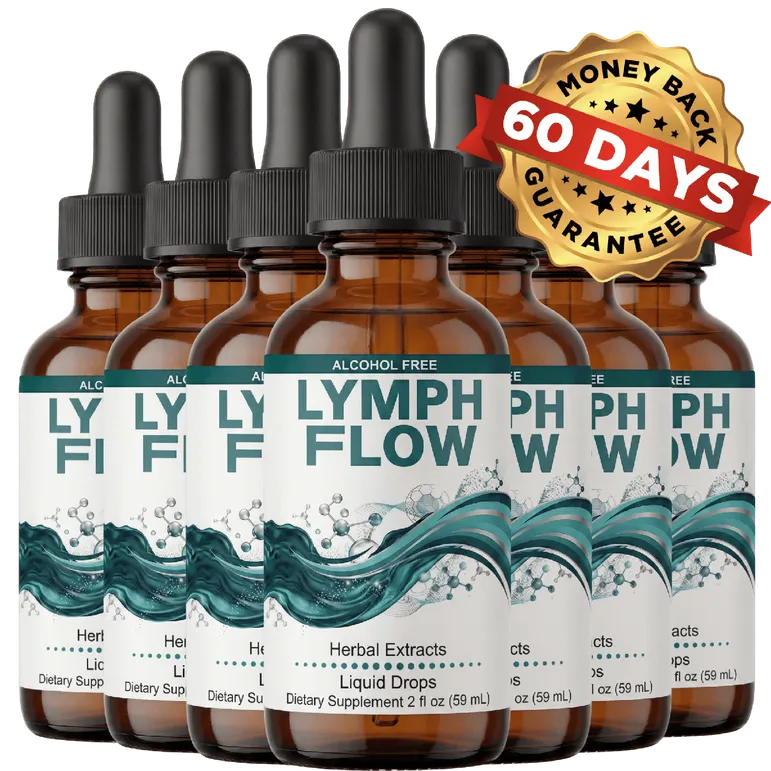
LymphFlow puts traditional lymphatic and cleansing botanicals into gentle, alcohol-free drops — no burn, no daily alcohol, just an easy dropper serving. Backed by a 60-day money-back guarantee.
 See LymphFlow Packages
Does the format change how well it absorbs?
Less than the labels imply. The 2001 analysis of oral bioavailability versus oral absorption in the Journal of Pharmacokinetics and Pharmacodynamics shows how loosely those terms get used, and pharmacokinetic work on sublingual delivery in the European Journal of Clinical Pharmacology demonstrates the effect for a single small molecule rather than for a complex plant extract. Neither supports a blanket claim that one solvent absorbs better.
This is where marketing tends to over-promise, so let us keep it honest. Liquid extracts are popular partly because they are taken sublingually — held under the tongue, where the thin, blood-vessel-rich tissue can begin to absorb some compounds directly. Both alcohol and glycerine deliver drops you can use this way. The bigger drivers of a good result are not the solvent alone but the quality of the raw herb, how well it was extracted, whether the actives are present in a meaningful amount, and — most of all — whether you take it consistently. A brilliant extraction you forget on the shelf does nothing.
In short: for full-spectrum extraction of resinous herbs, alcohol has an edge. For the everyday lymphatic and cleansing herbs most people want to take daily, an alcohol-free glycerite is a smart, sustainable choice, and the difference in real-world results comes down to quality and habit far more than to solvent chemistry.
What to look for on a liquid extract label
1. The solvent
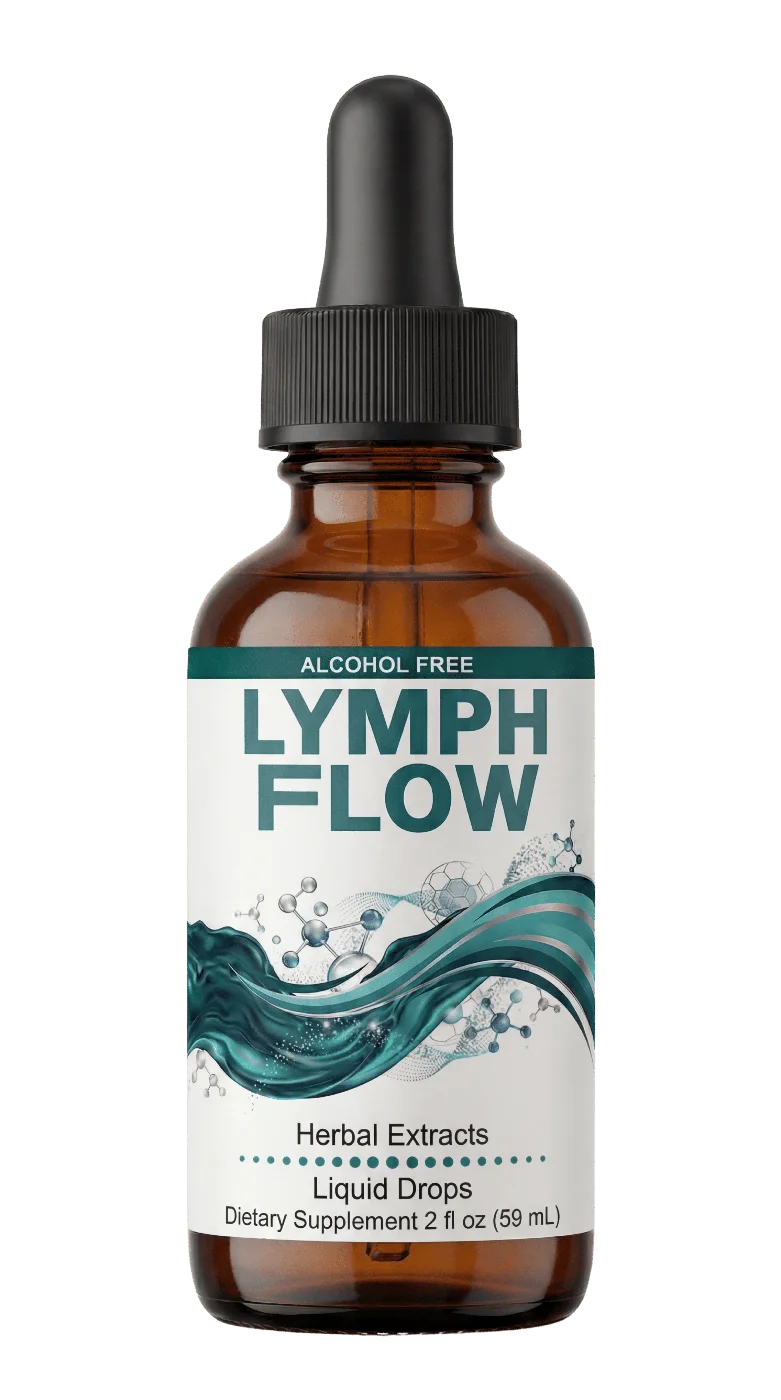
The most important line. “Alcohol-free” or “glycerite” tells you it is glycerine-based; a traditional tincture will state an alcohol percentage. Neither is “wrong” — pick the one that fits how you will actually use it.
2. Herbs by Latin name and plant part
A good label names each botanical (for example Galium aparine, aerial parts) rather than hiding behind a vague “proprietary blend” with no species listed. The plant part matters too — seed, root, leaf and aerial parts are not interchangeable.
3. A clear serving size
Look for a defined dropper serving and how many times a day to take it. This is also how you judge value: total volume divided by daily serving tells you how long a bottle lasts.
4. Where and how it is made
Manufacturing in an FDA-registered, GMP-certified facility signals a baseline of quality control. (Note: “FDA-registered facility” refers to the facility, not FDA approval of the product itself.)
5. Honest claims
A useful outside check: NCCIH's guidance on using dietary supplements wisely explains what supplement labels may and may not claim, and a 2016 Phytotherapy Research paper on evaluating clinical efficacy, adverse events and drug interactions of herbal remedies is a sober reminder that natural products still interact with medicines.
Finally, read the claims. Language about traditional or general use — “traditionally used to support lymphatic drainage” — is compliant and trustworthy. Promises to “cure,” “treat” or “flush toxins overnight” are red flags.
So which should you choose?
If you are taking a herb occasionally and want maximum extraction of a resinous plant, a traditional alcohol tincture is a reasonable pick. If you are building a daily routine around gentle lymphatic and cleansing herbs — and you would rather not take alcohol every day — an alcohol-free extract wins on comfort and consistency, which is what actually determines whether a supplement becomes a habit. For the herbs themselves, our guides to how milk thistle supports liver detox and astragalus root benefits explain what each active brings to the blend.
Frequently asked questions
What is the difference between an alcohol-free and an alcohol-based tincture?
A traditional tincture uses food-grade alcohol as the solvent (menstruum) to extract and preserve a herb's compounds. An alcohol-free extract uses an alternative solvent — most often vegetable glycerine, sometimes with water — to do a similar job without the alcohol. Both deliver liquid herbal drops; the main difference is the solvent and taste.
Are alcohol-free herbal drops as effective?
For most everyday herbs, a well-made glycerite delivers plenty of the plant's water- and glycerine-soluble compounds. Alcohol can extract certain resins and alkaloids more efficiently, but for common lymphatic and cleansing botanicals an alcohol-free extract is a practical, gentle choice for daily use. Quality of the raw herb and the extraction matters more than the label alone.
Why choose an alcohol-free tincture?
People choose alcohol-free drops to avoid the taste and burn of alcohol, to skip daily alcohol intake, or for personal, religious or lifestyle reasons. Alcohol-free glycerites are naturally sweet, which makes them easier to take under the tongue every day.
How do you take liquid herbal drops?
Use the dropper to place the serving under your tongue and hold it briefly, or add it to a little water. Sublingual use is popular because the mouth's tissues are thin and well supplied with blood vessels. Always follow the serving size on the product label.
What should I look for on a liquid extract label?
Check the solvent (alcohol-free / glycerite or the alcohol percentage), the herbs by Latin name and plant part, the serving size, and where it is made. A blend that states its botanicals clearly and describes traditional use is a good sign.
References
- Botanical Dietary Supplements: Background Information (NIH Office of Dietary Supplements)
- The rate and extent of oral bioavailability versus the rate and extent of oral absorption: clarification and recommendation of terminology (Journal of Pharmacokinetics and Pharmacodynamics, 2001)
- Pharmacokinetic investigation of a nicotine sublingual tablet (European Journal of Clinical Pharmacology, 2001)
- Using Dietary Supplements Wisely (National Center for Complementary and Integrative Health)
- A Critical Approach to Evaluating Clinical Efficacy, Adverse Events and Drug Interactions of Herbal Remedies (Phytotherapy Research, 2016)
- Green J. The Herbal Medicine-Maker's Handbook.
Research on an individual botanical is not evidence about any finished blend. No clinical trial has been published on the LymphFlow formula itself, and none of the sources above tested it. Every link was checked against its source record on 3 September 2026.
† These statements have not been evaluated by the FDA. This product is not intended to diagnose, treat, cure or prevent any disease. This article is for general information only and is not medical advice.