Astragalus Root Benefits for Immune and Lymphatic Support
| What it is | Astragalus root (Astragalus membranaceus, or huang qi) — an adaptogenic tonic root from Traditional Chinese Medicine. |
| Key benefit | Traditionally used to support everyday immune function, resilience and healthy energy. |
| The active compounds | Polysaccharides and saponins (astragalosides) studied for immune-modulating activity. |
| How to use it | As a slow, cumulative daily tonic — consistency over weeks matters more than a big single dose. |

When a lymphatic-support formula includes an immune tonic, that ingredient is very often astragalus root. Known in Traditional Chinese Medicine as huang qi (“yellow leader”), astragalus has been used for well over two thousand years as a foundational tonic for resilience and vitality. In this guide we will unpack the real astragalus root benefits for immune and lymphatic support, how the herb is thought to work, the compounds behind its reputation, how it is dosed, and how to read a label so you know you are getting the good stuff.
As always, a grounding note: astragalus is a general wellness herb with a long traditional record. Nothing here is medical advice, and astragalus is not intended to diagnose, treat, cure or prevent any disease.
What is astragalus root?
Astragalus is a flowering plant in the legume family. The medicinal part is the root of Astragalus membranaceus (also written Astragalus mongholicus), typically harvested from four-year-old plants and sliced into pale, fibrous strips that look a little like tongue depressors. In classical Chinese herbalism it is a “chi tonic” — a herb used to strengthen the body's baseline energy and defensive capacity, especially through the changing seasons.
Unlike a stimulant, astragalus is not something you feel in twenty minutes. It belongs to a category of herbs called adaptogens: botanicals traditionally used to help the body adapt to ordinary physical and mental stress and return to balance. Adaptogens reward patience. Their effects are understood as slow and cumulative, which is exactly why astragalus is taken as a steady daily tonic rather than an emergency remedy.
How astragalus supports immune and lymphatic health
NCCIH's summary of the evidence on astragalus is the fair starting point: the herb has been studied mainly in small or poorly designed trials, and there is not enough reliable human evidence to say it helps with any specific condition. The chemistry is where the interest actually sits — a 2025 review in Molecular Medicine Reports on astragalus polysaccharide as an immunomodulatory agent surveys the laboratory work on how those long sugar chains interact with immune cells, while noting that this is preclinical research rather than proof of a benefit in people.
Here is the connection that makes astragalus a natural fit in a lymphatic blend. Your lymphatic system is also your immune highway — the lymph vessels and nodes are where immune cells congregate, communicate and travel. So a herb traditionally used to “tone” immune function sits comfortably alongside the classic drainage herbs like cleavers and red root. If you want the drainage side of that story, see our guide to cleavers herb benefits for lymphatic drainage.
The compounds usually credited for astragalus's effects are its polysaccharides (long sugar chains, often abbreviated APS) and its saponins, called astragalosides. In laboratory and animal research, astragalus polysaccharides are associated with modulating the activity of various immune cells — nudging the system toward balance rather than simply revving it up. It is important to be precise here: much of this is preclinical work, and traditional use is stronger than large-scale human trials. The honest framing is that astragalus is a time-honoured immune tonic whose chemistry is genuinely interesting and still being studied.

Why “tone,” not “boost”
This is exactly where astragalus parts company with the other famous immune herb. Echinacea is the short-term, acute-use botanical reached for around a specific moment of demand, while astragalus is the slow background tonic taken for months. The two are complements, not substitutes, and they are dosed on completely different timescales.
The vocabulary comes from the tradition the herb arrived in. NCCIH's overview of traditional Chinese medicine explains how tonic herbs are framed there — as long-term restoratives rather than acute interventions — and cautions that products sold in the West vary widely in quality and are not held to the same standards as medicines.
You will notice careful herbalists say astragalus “supports” or “tones” the immune system rather than “boosts” it. That is not just legal caution — it reflects how adaptogens are understood to behave. The goal of a tonic is a well-regulated, resilient system, not one stuck in overdrive. It also explains the dosing philosophy: little and often, over a long period.
Astragalus dosing context
Because astragalus comes in so many forms, there is no single number that fits all of them. Understanding the ranges helps you read any label sensibly:
Traditional decoction
In classical practice, dried astragalus root is simmered into a broth or soup — often several grams of root per day, sometimes cooked right into a pot of chicken soup through the colder months. It is food-as-medicine at its most literal.
Concentrated extracts and capsules
Standardised extracts concentrate the polysaccharides and astragalosides, so the daily amount is far smaller than the raw-root figure. Products vary widely, which is exactly why the label — not a generic internet number — is your guide.
Liquid drops
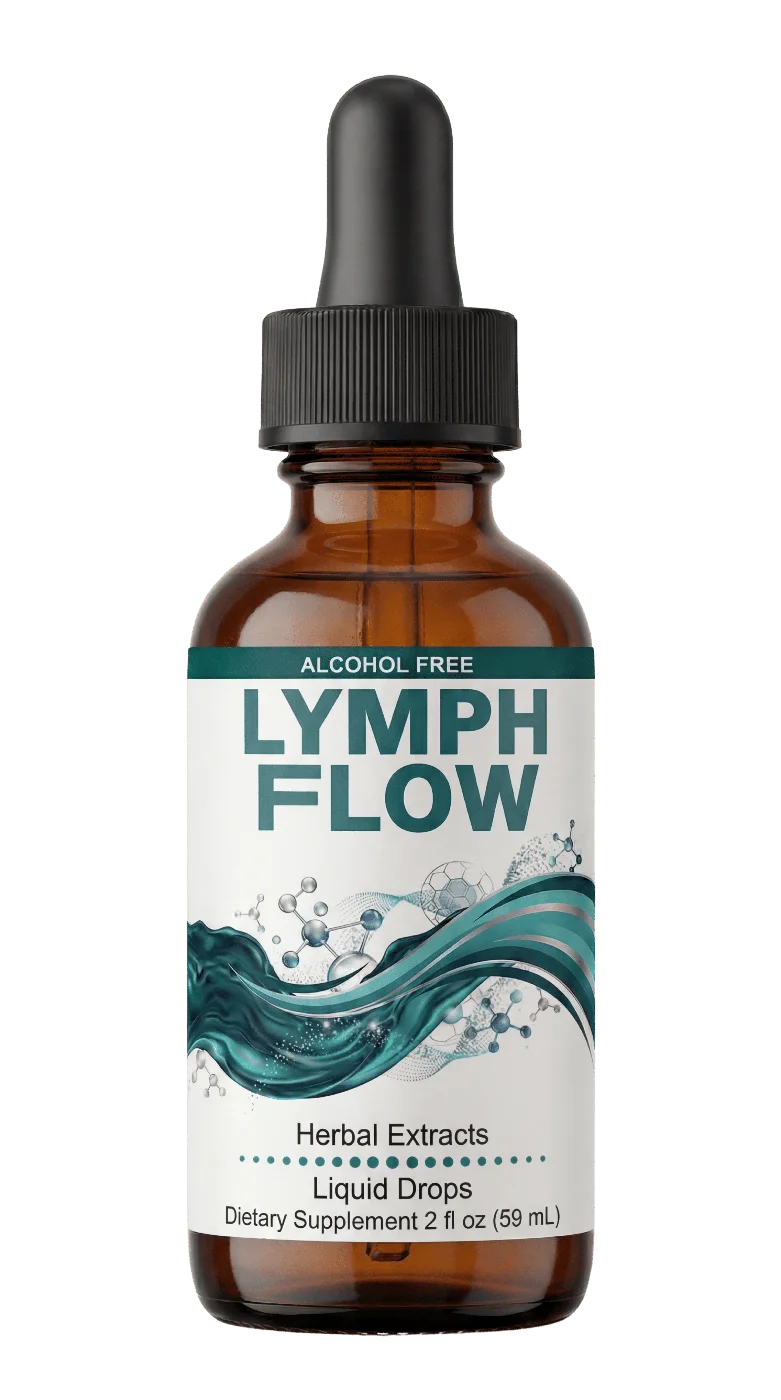
In a liquid blend such as LymphFlow, astragalus appears as one component of a broader lymphatic and cleansing formula, delivered in alcohol-free drops. The point of a blend is synergy and convenience: you get astragalus alongside its traditional companions in one small daily serving. Whatever the format, the rule holds — follow the product's own serving directions and give it time.
An adaptogen in every dropper
LymphFlow blends astragalus with cleavers, red root, burdock, dandelion and more traditional botanicals in easy, alcohol-free drops — a simple daily tonic backed by a 60-day money-back guarantee.
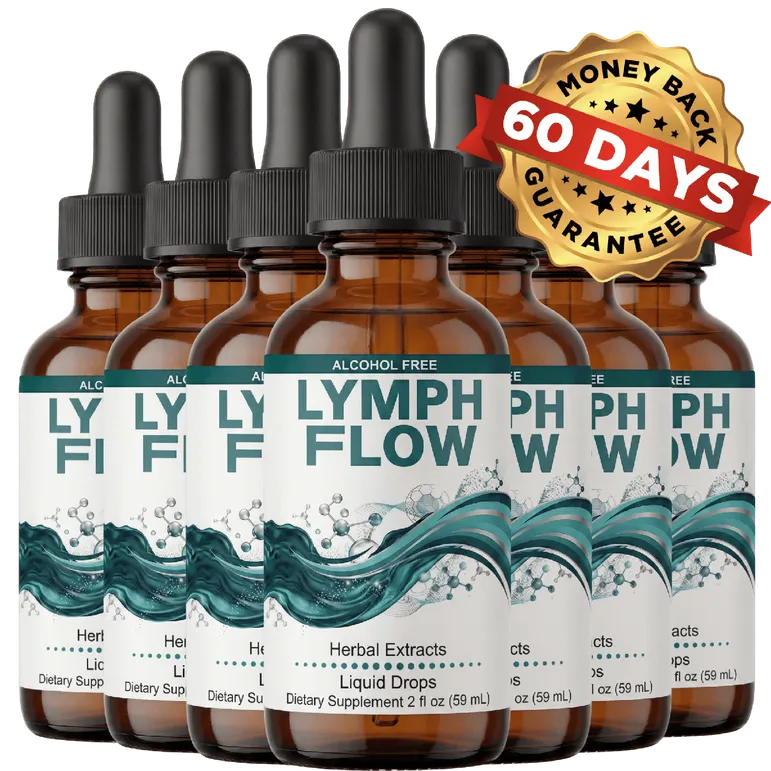 See LymphFlow Packages
What to look for on an astragalus label
Use this checklist when you compare products:
1. Species and plant part
The label should name Astragalus membranaceus (or mongholicus) and specify the root. The genus Astragalus contains hundreds of species, not all of them used as tonics, so the full Latin name matters.
2. A clue about the actives
Quality extracts sometimes mention standardisation to polysaccharides or astragalosides. You do not need a laboratory printout, but a brand that references the actives usually knows what it is doing.
3. Alcohol-free if you take it daily
Astragalus is a long-game tonic, so if you are taking it for months an alcohol-free base is gentler for everyday use. We break down the format question in our guide to alcohol-free herbal tinctures vs alcohol-based extracts.
4. Sensible companions and honest claims
In a lymphatic formula, astragalus pairs naturally with drainage and liver-support herbs. Look for language describing traditional or general use, and skip anything promising to “cure” or “treat” a condition.
How astragalus fits a whole-body routine
Astragalus is the “resilience” piece of the puzzle, but it works best as part of a bigger picture. The lymphatic system responds to movement, hydration and breathing; the liver and kidneys handle the waste that lymph delivers; and immune resilience is supported by sleep and a nutrient-dense diet. A tonic herb slots into that framework — it does not replace it. For the liver-support side, our article on how milk thistle supports liver detox is a useful companion, and the natural lymphatic support guide covers the daily habits that do the heavy lifting.
You can also learn more about the full formula and how the botanicals are chosen on the LymphFlow ingredients page. The through-line is simple: pick traditional herbs with a clear rationale, deliver them gently, and take them consistently.
Add Astragalus Support to Your Day
Frequently asked questions
What is astragalus root good for?
Astragalus root (Astragalus membranaceus, or huang qi) is an adaptogenic herb used for centuries in Traditional Chinese Medicine to support the body's resilience, everyday immune function and healthy energy. It is a general wellness tonic, not a treatment for any disease.
How does astragalus support the immune and lymphatic systems?
Astragalus is rich in polysaccharides and saponins that laboratory research associates with modulation of immune-cell activity. Because immune cells travel through the lymphatic network, herbs traditionally used to tone immune function are often included in lymphatic-support blends. Astragalus is used as a slow, cumulative tonic rather than a quick fix.
Is astragalus an adaptogen?
Yes. Astragalus is classed as an adaptogen — a herb traditionally used to help the body adapt to everyday stress and maintain balance. Adaptogens are taken consistently over weeks and months rather than as a one-off dose.
How much astragalus is typically taken?
Dosing depends on the form. Traditional decoctions use several grams of dried root, while concentrated extracts and liquid drops use far less. Always follow the serving size printed on the product label and start at the lower end.
When should you avoid astragalus?
As with any botanical, people who are pregnant, nursing, under 18, taking immune-suppressing medication, or managing a medical condition should speak with a physician before using astragalus. It is not intended to diagnose, treat, cure or prevent any disease.
References
- Astragalus (National Center for Complementary and Integrative Health)
- Astragalus polysaccharide as a potential antitumor immunomodulatory drug (Review) (Molecular Medicine Reports, 2025)
- Traditional Chinese Medicine: What You Need To Know (National Center for Complementary and Integrative Health)
Research on an individual botanical is not evidence about any finished blend. No clinical trial has been published on the LymphFlow formula itself, and none of the sources above tested it. Every link was checked against its source record on 3 September 2026.
† These statements have not been evaluated by the FDA. This product is not intended to diagnose, treat, cure or prevent any disease. This article is for general information only and is not medical advice.