Cleavers Herb Benefits for Lymphatic Drainage: Uses, Science & Dosing
| What it is | Cleavers (Galium aparine) is the classic Western “lymph-mover” herb, used traditionally as a lymphatic tonic. |
| How it's thought to work | Classed as an alterative and lymphatic — used to gently support natural lymphatic drainage and fluid balance. |
| How it's taken | As a cold infusion, fresh-plant tincture or, more conveniently, alcohol-free liquid drops. |
| Label tip | Look for the Latin name, “aerial parts,” an alcohol-free base and a clear serving size. |

If you have read anything about supporting your lymphatic system with herbs, one plant shows up again and again: cleavers. Also known as goosegrass, sticky-willy or bedstraw, this scrambling springtime weed (Latin name Galium aparine) is the herb most often reached for when a traditional practitioner wants to nudge sluggish lymph. In this guide we will look at exactly what cleavers is, why it earned its reputation for lymphatic drainage, what the science and the herbal tradition actually say, how it is dosed, and what to look for on a label so you can tell a thoughtful formula from filler.
A quick note before we start: cleavers is a general wellness botanical with a long history of traditional use. Nothing here is medical advice, and cleavers is not intended to diagnose, treat, cure or prevent any disease. With that said, let us get into what makes this humble hedgerow plant so interesting.
What is cleavers (Galium aparine)?
Cleavers is a straggly annual in the same botanical family as coffee and madder. It grows in tangled mats along hedges and field edges across Europe, North America and much of the temperate world, and it is instantly recognisable by the way it clings to your clothes — tiny hooked hairs cover the stems, leaves and seeds. Those same hooks are why children stick it to each other's backs, and why the plant carries folk names like “sticky-willy” and “velcro plant.”
The part used in herbalism is the aerial part — the fresh green stems, leaves and immature seed heads, harvested in spring before the plant gets tough and stringy. Traditional herbalists prize the fresh plant in particular, because much of what makes cleavers useful is thought to be lost or diminished by heat and long storage. That is one reason cleavers is so often prepared as a fresh-plant tincture or a cold-water infusion rather than a boiled tea.
Why cleavers is the classic herb for lymphatic drainage
Before the herb, the plumbing. Lymphatic vessels are not passive tubes: they carry their own muscle cells and contract rhythmically, and a 2023 review of lymphatic clearance and pump function in Cold Spring Harbor Perspectives in Medicine sets out how that intrinsic pumping combines with skeletal-muscle movement, breathing and tissue pressure to move lymph forward. A 2025 Annual Review of Physiology paper on the transport and immune functions of the lymphatic system makes the second half of the point: the same network that drains fluid is also the route immune cells travel, which is why drainage and immunity keep turning up in the same herbal formulas.
In the language of Western herbalism, cleavers is described as an alterative and a lymphatic. An alterative is a herb traditionally used to gradually restore healthy function to the body's cleansing and eliminative systems; a lymphatic is one used specifically to support the lymph. Cleavers sits squarely in both camps, which is why generations of herbalists have called it their first-choice “lymph tonic.”
To understand why that matters, it helps to remember how the lymphatic system works. Your lymphatic system is a network of thin vessels and hundreds of small nodes carrying a clear fluid called lymph. It drains excess fluid from your tissues, ferries immune cells around, and carries cellular waste toward the bloodstream for removal. Crucially — and unlike your blood — lymph has no central pump. It only moves when you do, and it thins or thickens depending on how well hydrated you are. Because the system is so passive, herbs, movement and hydration that gently encourage flow have long been valued. If you want the full picture on the daily habits side, our companion guide on how to support your lymphatic system naturally walks through movement, breathing and dry brushing in detail.
Cleavers is thought to work with this passive system rather than forcing it. Traditional texts describe it as “cooling and moving” — used where tissues feel congested, puffy or stagnant. It is the herb reached for when the goal is gentle encouragement of natural drainage rather than a dramatic “flush.”

What the science and tradition actually say
It is worth being blunt about the wider category too. The National Center for Complementary and Integrative Health, reviewing detoxes and cleanses, concludes there is little rigorous evidence that detox programmes remove toxins or improve health, and the NIH Office of Dietary Supplements' background on botanical dietary supplements makes the related point that a botanical's effects depend heavily on the species, the plant part and the preparation. Both apply squarely to cleavers.
Let us be honest about the evidence, because that honesty is exactly what a good ingredient guide owes you. Cleavers has a deep and consistent record of traditional use as a lymphatic and alterative — centuries of it, documented in European and North American herbals. What it does not yet have is a large body of modern human clinical trials confirming those uses. Most of the laboratory work looks at the plant's chemistry rather than its effect on lymph flow in people.
On the chemistry side, cleavers contains iridoid glycosides (including asperuloside), flavonoids, tannins, coumarins and a modest amount of vitamin C. These are the sorts of plant compounds associated in general research with antioxidant and mild astringent activity. It is reasonable to say the plant is chemically interesting and traditionally trusted; it is not reasonable to claim it “detoxes” you or treats a medical condition. The sensible takeaway: cleavers is a well-established traditional lymphatic herb, best understood as a gentle daily-wellness ally rather than a proven therapy.
The “no pump” principle in practice
Because lymph relies on movement and water, even the most respected lymphatic herb works best inside a supportive routine. Herbalists have never handed someone a bottle of cleavers and told them to sit still. The traditional advice pairs the herb with walking, deep breathing and steady hydration — the same low-tech basics that do the heavy lifting for lymph. Think of cleavers as one instrument in the section, not a soloist.
How cleavers is traditionally dosed
Dosing depends entirely on the preparation, which is why a single “milligram number” can be misleading for a fresh herb like this. Here is the general context, so you can read a label with confidence:
Cold infusion
Because heat is thought to degrade cleavers, the traditional tea is a cold infusion: a handful of the fresh chopped herb steeped in cold water overnight, then strained. It is watery and grassy-tasting — pleasant enough, but not convenient for daily modern life.
Tincture and liquid extract
The most common concentrated form is a tincture, traditionally a fresh-plant preparation. Classic herbal dosing sits in the range of roughly 1–4 mL of a standard tincture, taken up to a few times a day. The catch is that most tinctures are preserved in alcohol, which not everyone wants to take daily.
Alcohol-free drops
This is where a modern, alcohol-free liquid extract earns its place. Glycerin-based (alcohol-free) drops let you take cleavers and its traditional companions without the alcohol burn or the concerns some people have about daily alcohol intake. The serving is small, taken under the tongue or in a little water, and it fits a busy routine. Whatever form you choose, the golden rule is the same: follow the serving size on the product's own label, and start at the lower end.
Cleavers, without the alcohol
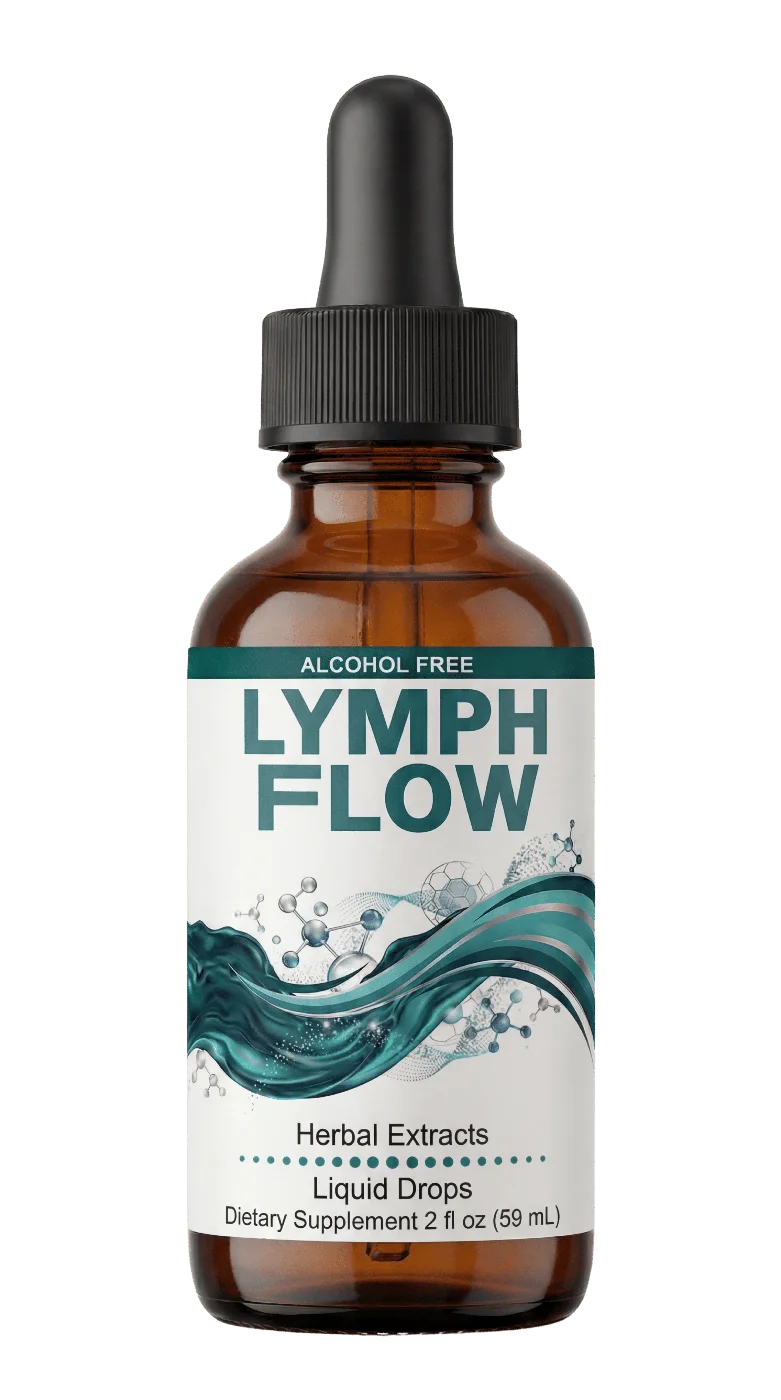
LymphFlow delivers cleavers alongside its traditional lymphatic companions — red root, burdock and dandelion — in simple, alcohol-free drops. It is an easy way to bring this classic lymph herb into a daily routine, backed by a 60-day money-back guarantee.
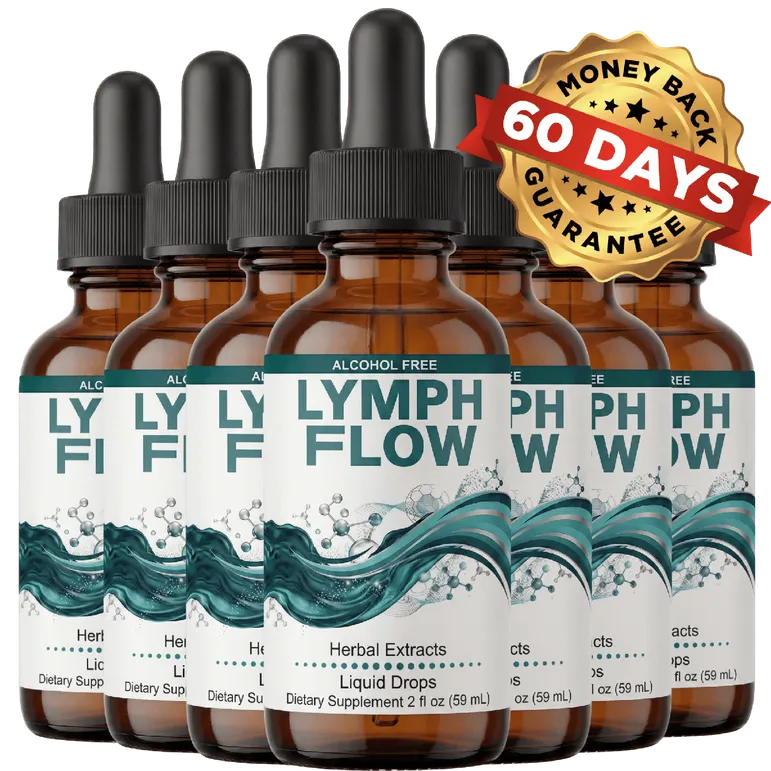 See LymphFlow Packages
What to look for on a cleavers label
Not all cleavers products are created equal. When you compare bottles, run through this short checklist:
1. The botanical name and plant part
A quality label states the Latin name — Galium aparine — and the part used, which should be the aerial parts or “herb.” Vague wording like “lymph blend” with no species names is a red flag.
2. Alcohol-free vs alcohol base
Decide whether you want an alcohol-based tincture or an alcohol-free glycerite. If you plan to take it daily and prefer to avoid alcohol, an alcohol-free extract is the friendlier choice. We compare the two formats in depth in our guide to alcohol-free herbal tinctures vs alcohol-based.
3. Thoughtful companions
Cleavers is rarely used alone in the tradition. A well-designed lymphatic formula pairs it with red root (another lymphatic), plus cleansing roots such as burdock and dandelion. If you are curious about those cleansing roots, our article on burdock and dandelion root benefits for natural detox explains how they complement cleavers. The one traditional lymphatic that formulators most often leave out is calendula, whose lymphatic and skin reputation runs along very similar lines to cleavers.
4. A clear serving size and honest claims
Look for a defined serving (for example, a number of drops or a dropperful) and language that describes traditional or general use rather than disease claims. A brand that respects the rules tends to respect its ingredients too.
Who tends to reach for cleavers
Cleavers is popular with people who spend long hours sitting, travel often, or simply want to add a traditional lymphatic herb to a wellness-minded routine. It is not a stimulant, so it will not keep you awake, and it is gentle enough for everyday use. That everyday, low-drama profile is exactly why it has survived in the herbal cabinet for so long — it is the herbal equivalent of a daily walk, not a crash diet.
To be clear once more: cleavers supports general wellness within a healthy routine. It is not a substitute for medical care, and anyone who is pregnant, nursing, under 18 or on medication should speak with a physician before starting any new supplement.
Putting cleavers to work in a real routine
Here is what a sensible day with cleavers might look like. You take your alcohol-free drops with your first glass of water in the morning; you break up long sitting with a short walk each hour; you drink steadily through the day so your lymph stays fluid; and you take a few minutes of deep breathing to gently work the largest lymphatic vessel in your chest. The herb is the easy part — the routine is what makes it meaningful. For the full daily template, see our practical guide to supporting your lymphatic system, and if you want to understand the immune-resilience side of the formula, our piece on astragalus root benefits is a natural next read.
Frequently asked questions
What is cleavers herb used for?
Cleavers (Galium aparine) is a traditional Western herb best known as a lymphatic tonic. Herbalists have long used it to support the body's natural lymphatic drainage and fluid balance, and it is often paired with other cleansing botanicals. It is a general wellness herb, not a treatment for any disease.
How does cleavers support lymphatic drainage?
In traditional herbalism cleavers is classed as an alterative and lymphatic — a herb thought to gently encourage the movement of lymph and support the tissues around the lymph nodes. Because lymph has no pump and relies on movement and hydration, cleavers is used alongside those daily basics rather than in place of them.
How is cleavers usually taken?
Cleavers is traditionally taken as a fresh-plant tincture, a cold infusion or, more conveniently, as liquid drops. Alcohol-free glycerite drops such as LymphFlow deliver cleavers without the alcohol found in many tinctures. Always follow the serving directions on the product label.
Is cleavers safe to take every day?
Cleavers has a long history of gentle, everyday traditional use. As with any botanical, if you are pregnant, nursing, under 18 or taking medication, check with your physician first. Cleavers is not intended to diagnose, treat, cure or prevent any disease.
What should I look for on a cleavers supplement label?
Look for the botanical's Latin name (Galium aparine), the part used (aerial parts / herb), whether the extract is alcohol-free, and a clear serving size. A blend that pairs cleavers with red root, burdock and dandelion follows the classic lymphatic-support tradition.
References
- Lymphatic Clearance and Pump Function (Cold Spring Harbor Perspectives in Medicine, 2023)
- Transport and Immune Functions of the Lymphatic System (Annual Review of Physiology, 2025)
- Detoxes and Cleanses: What You Need To Know (National Center for Complementary and Integrative Health)
- Botanical Dietary Supplements: Background Information (NIH Office of Dietary Supplements)
- Hoffmann D. Medical Herbalism: The Science and Practice of Herbal Medicine. Healing Arts Press.
- Grieve M. A Modern Herbal. (Entry: Clivers / Cleavers, Galium aparine.)
Research on an individual botanical is not evidence about any finished blend. No clinical trial has been published on the LymphFlow formula itself, and none of the sources above tested it. Every link was checked against its source record on 3 September 2026.
† These statements have not been evaluated by the FDA. This product is not intended to diagnose, treat, cure or prevent any disease. This article is for general information only and is not medical advice.