Burdock and Dandelion Root Benefits for Natural Detox
| Burdock (Arctium lappa) | A traditional cleansing root used to support natural detox pathways and clear, healthy skin. |
| Dandelion (Taraxacum officinale) | A classic bitter used to support healthy liver function and the body's normal fluid balance. |
| How they work | Both are “alteratives” — herbs that gently support the organs of elimination, not a dramatic flush. |
| Label tip | Look for the Latin names, the root, an alcohol-free base and a clear serving size. |
Two of the most enduring herbs in the entire “detox” tradition are not exotic at all — they grow as weeds in gardens and vacant lots across the world. Burdock root and dandelion root have been used for centuries as gentle cleansing roots, and they appear together so often in traditional formulas that herbalists treat them almost as a matched pair. This guide explains the real burdock and dandelion root benefits for natural detox, how each is thought to work, the honest state of the evidence, dosing context and exactly what to look for on a label.
Grounding note first: both are general wellness herbs with long records of food and traditional use. Nothing here is medical advice, and neither herb is intended to diagnose, treat, cure or prevent any disease.
What “natural detox” really means
Start with the disappointing part: NCCIH's review of detoxes and cleanses found little rigorous evidence that detox programmes remove toxins or improve health. Everything below is about supporting organs that already do this job, which is a much smaller and much more defensible claim.
It is worth being precise, because “detox” is one of the most over-marketed words in wellness. Your body is not a clogged drain waiting for a chemical plunger. It runs a continuous, sophisticated detoxification system: the liver transforms waste into eliminable forms, the kidneys filter the blood, the gut clears what you do not absorb, and the lymphatic system carries cellular waste toward the bloodstream. Nothing you drink for a weekend replaces that machinery.
So when a traditional herbalist talks about a “detox” or “blood-cleansing” herb, they mean a plant used to gently support those organs of elimination — the category they call alteratives. Burdock and dandelion are both textbook alteratives. That supportive framing is the right way to understand them, and it is also why they sit so comfortably next to liver herbs like milk thistle; see our guide to how milk thistle supports liver detox for the liver side of the story.
Burdock root benefits (Arctium lappa)
The plant itself is well characterised even where the clinical evidence is thin. A 2023 systematic review in the Journal of Ethnopharmacology covering the botany, ethnopharmacology, phytochemistry, pharmacology and toxicity of Arctium lappa maps what is actually known about burdock's constituents — inulin, polyphenols and lignans among them — and how much of the pharmacology remains preclinical.
Burdock is the big, broad-leaved plant whose burrs famously inspired the invention of Velcro. Its long taproot is eaten as a vegetable in Japan (where it is called gobo) and used across European and Asian herbal traditions as a premier cleansing root.
How burdock is thought to work
Burdock is classed as an alterative traditionally used to support the body's natural detox pathways and, in particular, to support clear, healthy skin from the inside out — a reflection of the old idea that skin reflects internal balance. On the chemistry side, burdock root is a rich source of inulin, a prebiotic fibre that feeds beneficial gut bacteria, and it contains antioxidant polyphenols and lignans. Because a healthy gut is part of how the body clears waste, the prebiotic angle gives burdock a plausible modern rationale to sit alongside its traditional reputation.
As with every herb we cover, the honest framing matters: burdock has a deep traditional record and interesting chemistry, but not a large body of human clinical trials for “detox” specifically. It is best understood as a gentle, supportive daily herb.
Dandelion root benefits (Taraxacum officinale)
Dandelion has a similar profile: long use, real chemistry, limited human trials. A 2024 review in The American Journal of Chinese Medicine on the ethnopharmacology, phytochemistry and pharmacological activity of Taraxacum is the most useful single overview, and NCCIH's short page on dandelion states outright that there is not enough reliable evidence to know whether it helps any health condition.
The dandelion is so common that most people pull it up without a second thought — yet its root is one of the most respected liver and digestive herbs in Western tradition. (The bitter leaf is used too, more for fluid balance, but here we focus on the root.)
How dandelion is thought to work
Dandelion root is a classic bitter. Bitters are traditionally used to stimulate digestion — the bitter taste is thought to prompt the release of digestive juices and support healthy bile flow from the liver and gallbladder. Since bile is one of the routes the liver uses to carry processed waste out of the body, supporting healthy bile flow is a sensible, mechanistic reason dandelion earns its place in liver-support and detox formulas. Dandelion root, like burdock, is also a good source of the prebiotic fibre inulin, and it is traditionally used to support the body's normal fluid balance.
Again, the compliant framing: dandelion supports healthy, normal liver and digestive function within a balanced routine. It is not a treatment for any medical condition.
Why burdock and dandelion are used together
The two roots are a classic duo because their traditional actions dovetail. Burdock leans toward skin and the broader eliminative pathways; dandelion leans toward the liver, bile and digestion. Together they cover more of the “cleansing” picture than either alone — which is exactly why you will find them side by side in old “blood-cleansing” recipes and in modern detox blends alike.
In a lymphatic formula, they play a specific supporting role. The lymphatic movers — cleavers and red root — encourage drainage, while burdock and dandelion support the liver and elimination organs that ultimately process what the lymph delivers. It is a genuine division of labour. For the drainage side, see our guide to cleavers herb benefits for lymphatic drainage, and for the daily habits that keep the whole system moving, our natural lymphatic support guide.
Cleansing roots, gently delivered
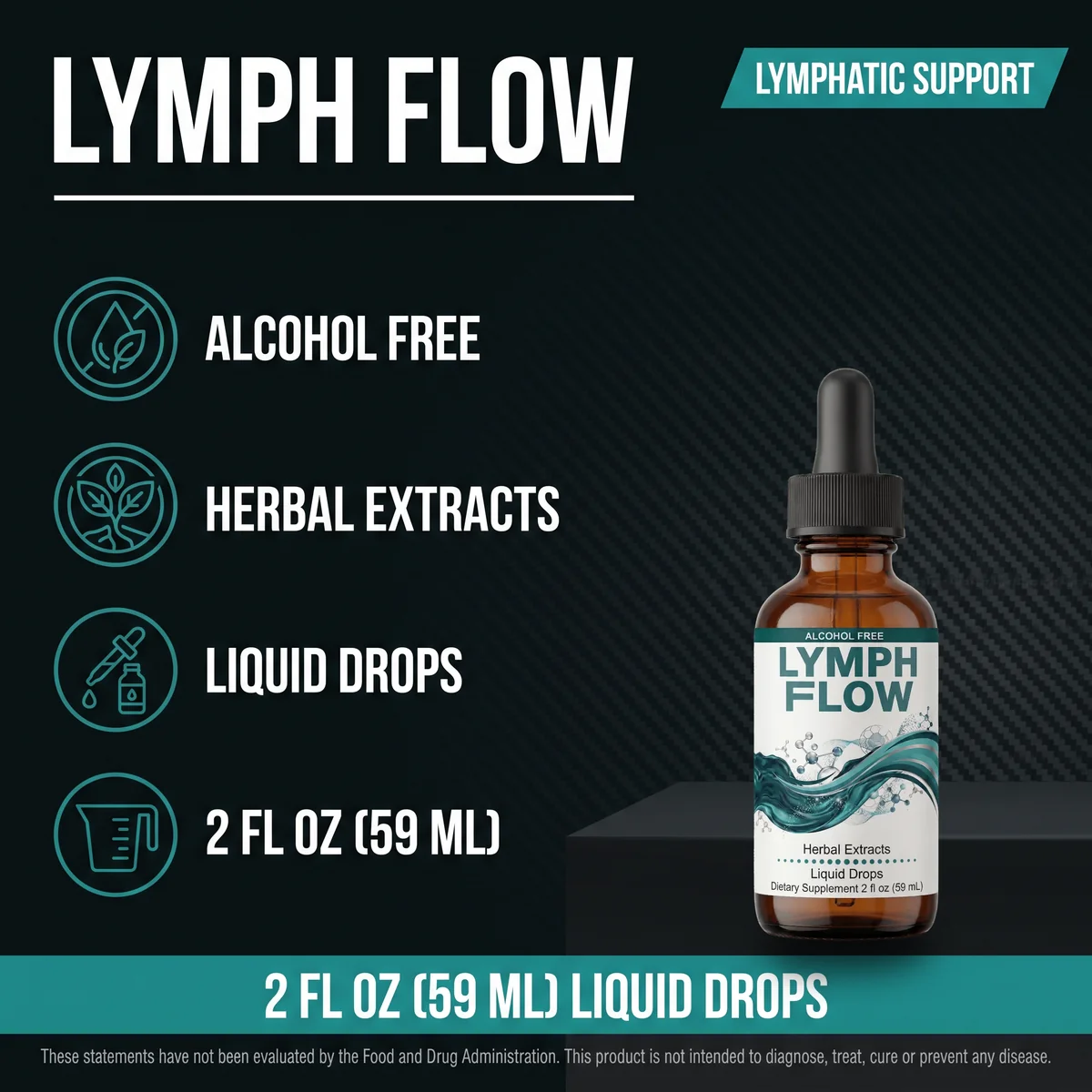
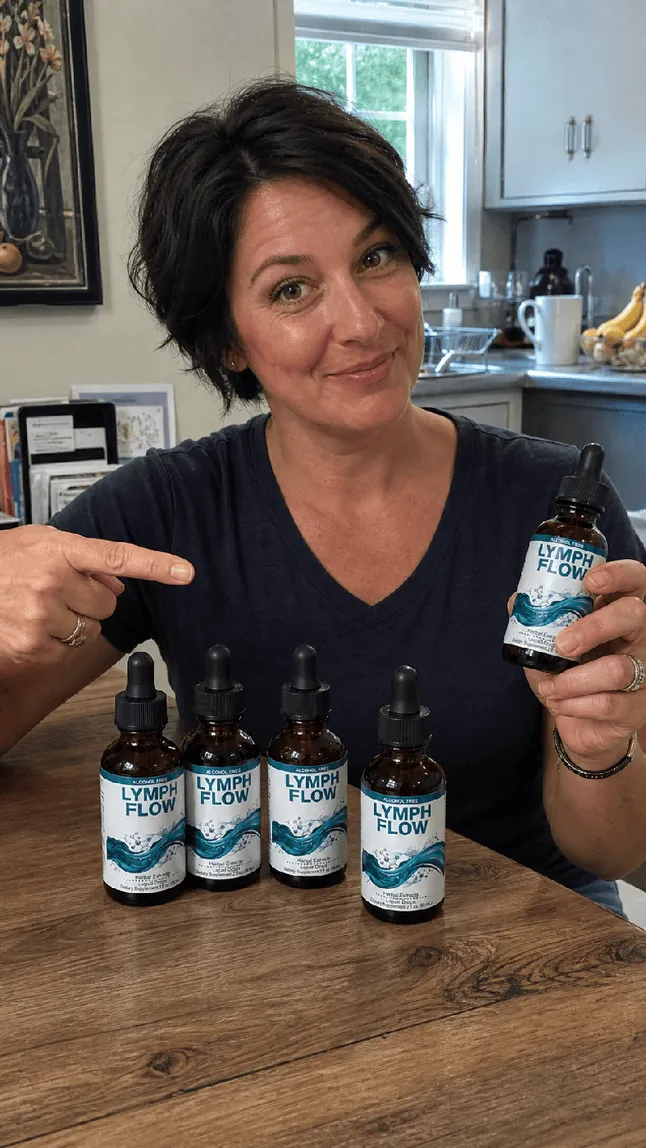
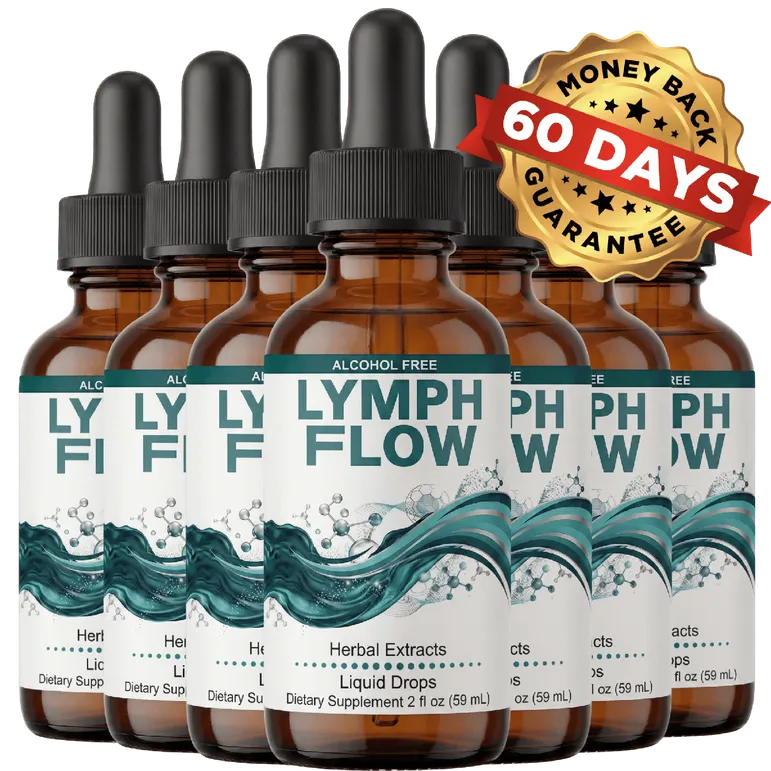
LymphFlow combines burdock and dandelion with cleavers, red root, milk thistle and more traditional botanicals in easy, alcohol-free drops — support for your body's natural detox pathways, backed by a 60-day money-back guarantee.
 See LymphFlow Packages
Dosing context
Both roots come in several forms, so the “right” amount depends entirely on the preparation:
As food and decoction
Burdock is eaten as a root vegetable, and both roots can be simmered into a decoction (a long, gentle boil that suits tough roots). This is the most traditional and gentlest way to use them, though not the most convenient.
Tinctures and liquid extracts
Concentrated liquid extracts make daily use practical. In a blend such as LymphFlow, burdock and dandelion are dosed as part of the whole formula rather than as solo herbs, delivered in alcohol-free drops. Whatever the format, follow the product's own serving directions and start at the lower end. If you are weighing an alcohol-free liquid against a traditional tincture, our guide to alcohol-free tinctures vs alcohol-based extracts lays out the trade-offs.
What to look for on the label
1. Latin names and the root
Look for Arctium lappa (burdock) and Taraxacum officinale (dandelion), and confirm the root is the part used — dandelion leaf and root are used for different traditional purposes.
2. Alcohol-free for daily use
If you plan to take these roots every day, an alcohol-free base is gentler and easier to keep up.
3. Thoughtful companions
A well-designed detox or lymphatic formula pairs these cleansing roots with lymphatic movers (cleavers, red root) and often a dedicated liver herb (milk thistle). You can see how LymphFlow assembles them on the ingredients page.
4. Honest, compliant claims
Trust labels that describe traditional or general use — “traditionally used to support natural detox pathways” — and be wary of any promising a dramatic overnight cleanse.
The takeaway on cleansing roots
Two neighbouring roots are worth knowing before you compare products. Yellow dock root is the bowel-moving member of the family and behaves quite differently from burdock, and stinging nettle is the nourishing rather than stimulating option that often sits beside both on a shelf.
Burdock and dandelion root are humble, time-tested herbs that earn their reputation honestly: they gently support the organs your body already uses to clean house, rather than performing any magic flush. Used consistently, alongside the basics of hydration, movement and a vegetable-rich diet, they are a sensible addition to a wellness routine. And if you want to round out the picture of a modern lymphatic blend, our guide to astragalus root benefits covers the immune-resilience herb that often joins them in the bottle.
Add Cleansing Roots to Your Routine
Frequently asked questions
What are burdock and dandelion root good for?
Burdock root (Arctium lappa) and dandelion root (Taraxacum officinale) are traditional cleansing roots. Burdock is used to support the body's natural detox pathways and clear, healthy skin, while dandelion is used to support healthy liver function and normal fluid balance. Both are general wellness herbs, not treatments for any disease.
How do burdock and dandelion support natural detox?
In herbal tradition both are classed as alteratives — herbs used to gently support the organs of elimination. Dandelion is also a traditional bitter that supports digestion and bile flow, and both roots contain the prebiotic fibre inulin. They support the body's own detox systems rather than performing a dramatic flush.
Can you take burdock and dandelion root together?
Yes. The two roots are a classic pairing in cleansing formulas because their traditional actions complement each other, and they are often combined with lymphatic herbs like cleavers and red root. Always follow the serving size on the product label.
How are these roots usually taken?
Both can be eaten as vegetables, brewed as a decoction, or taken as a concentrated tincture or alcohol-free liquid extract. Liquid drops are a convenient daily option. Dosing depends on the form, so follow the product label.
Are burdock and dandelion root safe?
Both have a long history of food and traditional use and are generally well tolerated. Because dandelion can interact with certain medications and people can be allergic to plants in the daisy family, anyone who is pregnant, nursing, under 18 or taking medication should consult a physician first.
References
- Detoxes and Cleanses: What You Need To Know (National Center for Complementary and Integrative Health)
- A systematic review on botany, ethnopharmacology, quality control, phytochemistry, pharmacology and toxicity of Arctium lappa L. fruit (Journal of Ethnopharmacology, 2023)
- Taraxacum: A Review of Ethnopharmacology, Phytochemistry and Pharmacological Activity (The American Journal of Chinese Medicine, 2024)
- Dandelion (National Center for Complementary and Integrative Health)
- Hoffmann D. Medical Herbalism: The Science and Practice of Herbal Medicine. Healing Arts Press.
Research on an individual botanical is not evidence about any finished blend. No clinical trial has been published on the LymphFlow formula itself, and none of the sources above tested it. Every link was checked against its source record on 3 September 2026.
† These statements have not been evaluated by the FDA. This product is not intended to diagnose, treat, cure or prevent any disease. This article is for general information only and is not medical advice.