Liquid Herbal Drops vs Capsules: Absorption and What to Look For
| The short version | Liquid herbal drops are already dissolved and can begin absorbing sooner — including partly under the tongue — while capsules must first break down in the gut. |
| Speed | Liquids tend to act faster; capsules are steadier and pre-measured. |
| Flexibility | Drops allow an adjustable dose; capsules deliver a fixed one. |
| Label tip | Look for named herbs, an extraction ratio, an alcohol-free base and clear serving directions. |
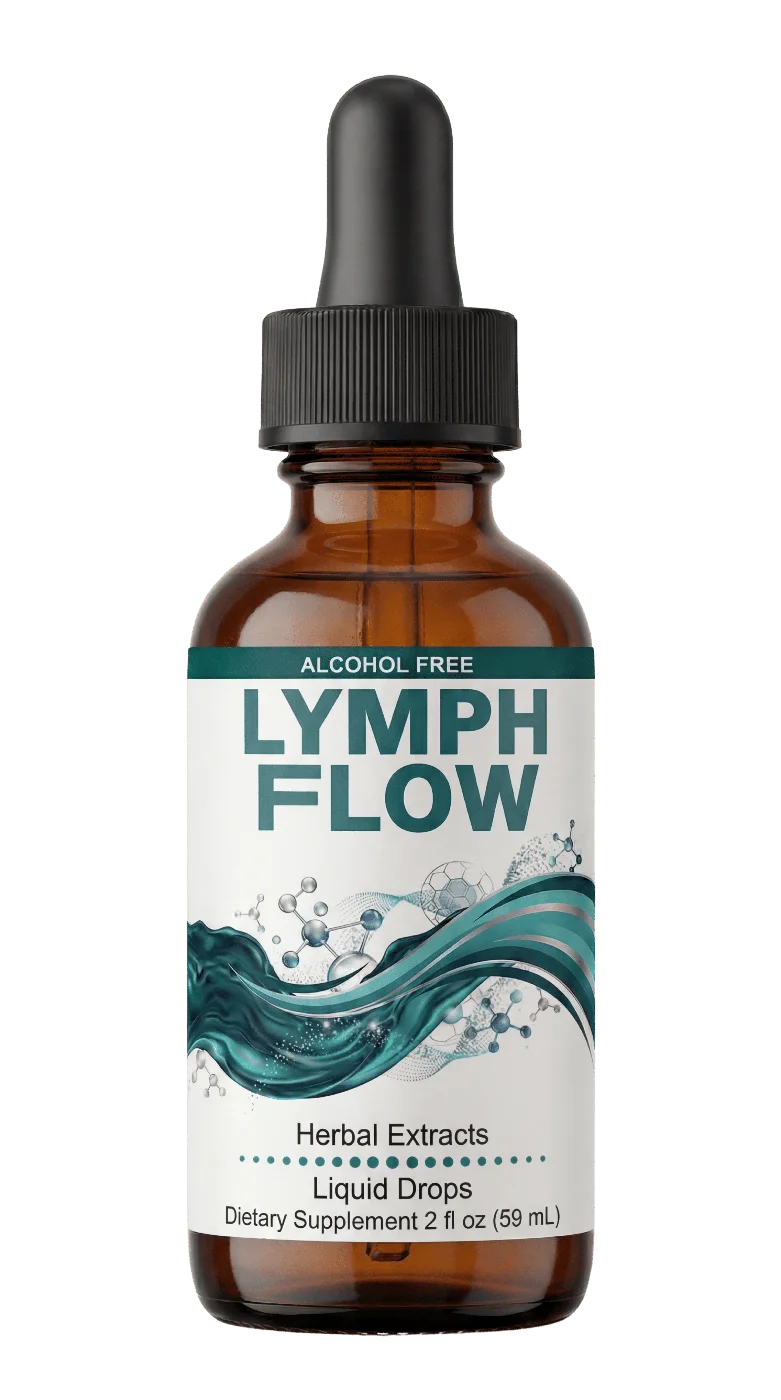
When you shop for a herbal supplement, the first choice is often not which herb but which format: a bottle of capsules, or a dropper bottle of liquid herbal drops? It is a more interesting question than it looks, because the format changes how — and how quickly — the herbs are absorbed. This guide explains the real science behind liquid herbal drops vs capsules, what “sublingual” and “bioavailability” actually mean, where each format genuinely wins, and what to look for on a label so you can choose with confidence rather than marketing hype.
A quick note before we begin: this is general educational information about supplement formats, not medical advice. Herbal supplements described here are for general wellness and are not intended to diagnose, treat, cure or prevent any disease.
How absorption actually works
The terminology here is slipperier than most marketing admits. A much-cited 2001 paper in the Journal of Pharmacokinetics and Pharmacodynamics on the rate and extent of oral bioavailability versus oral absorption argues that the two are routinely conflated: how fast something is absorbed and how much of it ultimately reaches the bloodstream are separate questions, and a format can win on one while losing on the other.
To compare formats fairly, you first need the basic journey a supplement takes. When you swallow anything, its active compounds cannot do anything until they are dissolved and then absorbed across the wall of your digestive tract into the bloodstream. The proportion that makes it into your blood in active form is called bioavailability — the single most useful word in this whole discussion. A supplement can list an impressive amount on the label, but only the bioavailable fraction actually reaches the places it can act.
Two factors dominate bioavailability for the format debate. The first is the disintegration step: a capsule or tablet has to physically break apart and its contents dissolve before absorption can even begin. The second is the route: most absorption happens in the small intestine, but a small amount of certain compounds can be absorbed higher up — even in the mouth. Those two facts explain almost everything about why liquids and capsules behave differently.
Liquid herbal drops: already dissolved, partly sublingual
The sublingual part is real but usually oversold. Pharmacokinetic work on a nicotine sublingual tablet in the European Journal of Clinical Pharmacology shows the route genuinely bypasses first-pass liver metabolism for a small, suitable molecule — but plant extracts are mixtures of large, varied compounds, and only a fraction of a herbal serving is plausibly absorbed under the tongue before you swallow the rest.
A liquid herbal extract has a head start: its active compounds are already dissolved in the liquid. There is no capsule shell to break down and no powder to disperse, so the disintegration step is essentially skipped and absorption can begin as soon as the liquid reaches the gut. That is the main, uncontroversial reason liquids often act faster than capsules.
There is a second, more talked-about advantage: the sublingual route. “Sublingual” simply means “under the tongue,” where the tissue is thin and rich with blood vessels. Some small molecules held there can absorb directly into the bloodstream, bypassing the digestive tract and the liver's first pass. This is why liquid drops are usually meant to be held in the mouth for a few seconds before swallowing. It is important to be honest, though: not every herbal compound is absorbed sublingually, and the mouth's surface area is small, so most of a herbal dose is still absorbed the ordinary way, in the gut. The sublingual route is a genuine bonus for some compounds, not a magic bypass for all of them.
Liquids offer two practical wins that have nothing to do with chemistry. They allow flexible dosing — you can take a few drops or a full dropper and adjust easily — and they suit the large number of people who simply dislike swallowing pills. For a daily herbal blend, those everyday factors often matter more than any absorption debate. The one thing to weigh is the base the liquid is preserved in, which is why we wrote a full comparison of alcohol-free herbal tinctures vs alcohol-based extracts.
Capsules: tidy, tasteless and pre-measured
Capsules have real, underrated strengths. They are pre-measured, so every dose is identical — useful when precision matters. They are tasteless, which is no small thing with bitter or pungent herbs. They travel neatly, do not spill, and have a long, stable shelf life. For herbs whose active compounds are not pleasant on the tongue, or for people who want a fixed dose they never have to think about, capsules are excellent.
Their trade-off is the disintegration step and a generally slower, steadier onset. A poorly made capsule or tablet can also disintegrate incompletely — this is why pharmacopoeias set disintegration standards for oral solid supplements in the first place. In practice, a well-made capsule from a reputable, GMP-certified facility dissolves fine; the point is simply that a liquid never faces that hurdle at all.
So which is “better”?
The NIH Office of Dietary Supplements' background on botanical dietary supplements makes the point that preparation method, solvent and plant part change a botanical product more than the container does. Format is mostly a question of what you will actually take every day.
The honest answer is that neither format is universally superior — they optimise for different things, and the “best” one depends on your goal:
- Choose liquid drops if you value faster onset, flexible or adjustable dosing, the partial sublingual route, and not having to swallow pills. This is the classic choice for herbal tinctures and lymphatic blends taken daily.
- Choose capsules if you value precise, identical doses, no taste at all, easy travel, and a set-and-forget routine.
There is one more factor that quietly outranks all of the above: consistency. The most bioavailable supplement in the world does nothing if it sits unused in a cupboard because you dislike taking it. For herbs like the lymphatic and cleansing botanicals — which, as we explain in our guide to how alterative herbs work, act gradually over weeks — the format you will genuinely take every day is the one that will serve you best. If that is a pleasant liquid you can add to a glass of water, the absorption details become a welcome bonus rather than the deciding factor.
An alcohol-free liquid built for daily use
LymphFlow delivers its lymphatic and cleansing herbal blend as simple, alcohol-free liquid drops — already dissolved, easy to dose, and pleasant enough to take every day. No pills to swallow, and a 60-day money-back guarantee.
 See LymphFlow Packages
What to look for on a liquid herbal extract label
Once you have chosen liquid, a few label details separate a thoughtful extract from a vague one. Run through this checklist.
1. Named herbs with Latin names
A quality liquid names each herb and its species — for example Galium aparine (cleavers) or Ceanothus americanus (red root) — rather than hiding behind a “proprietary blend.” If you want to see what a well-chosen blend looks like, our guides on cleavers and red root walk through two of the classics.
2. Extraction ratio or strength
Liquid extracts often list a ratio (such as 1:2 or 1:5), which tells you how concentrated the extract is relative to the raw herb. It is not the only marker of quality, but a label that shows its working is a good sign.
3. Alcohol-free vs alcohol base
The liquid has to be preserved in something. For daily use, an alcohol-free glycerite is the friendlier option for many people. We compare the two bases in depth in our guide to alcohol-free herbal tinctures vs alcohol-based.
4. Clear serving directions
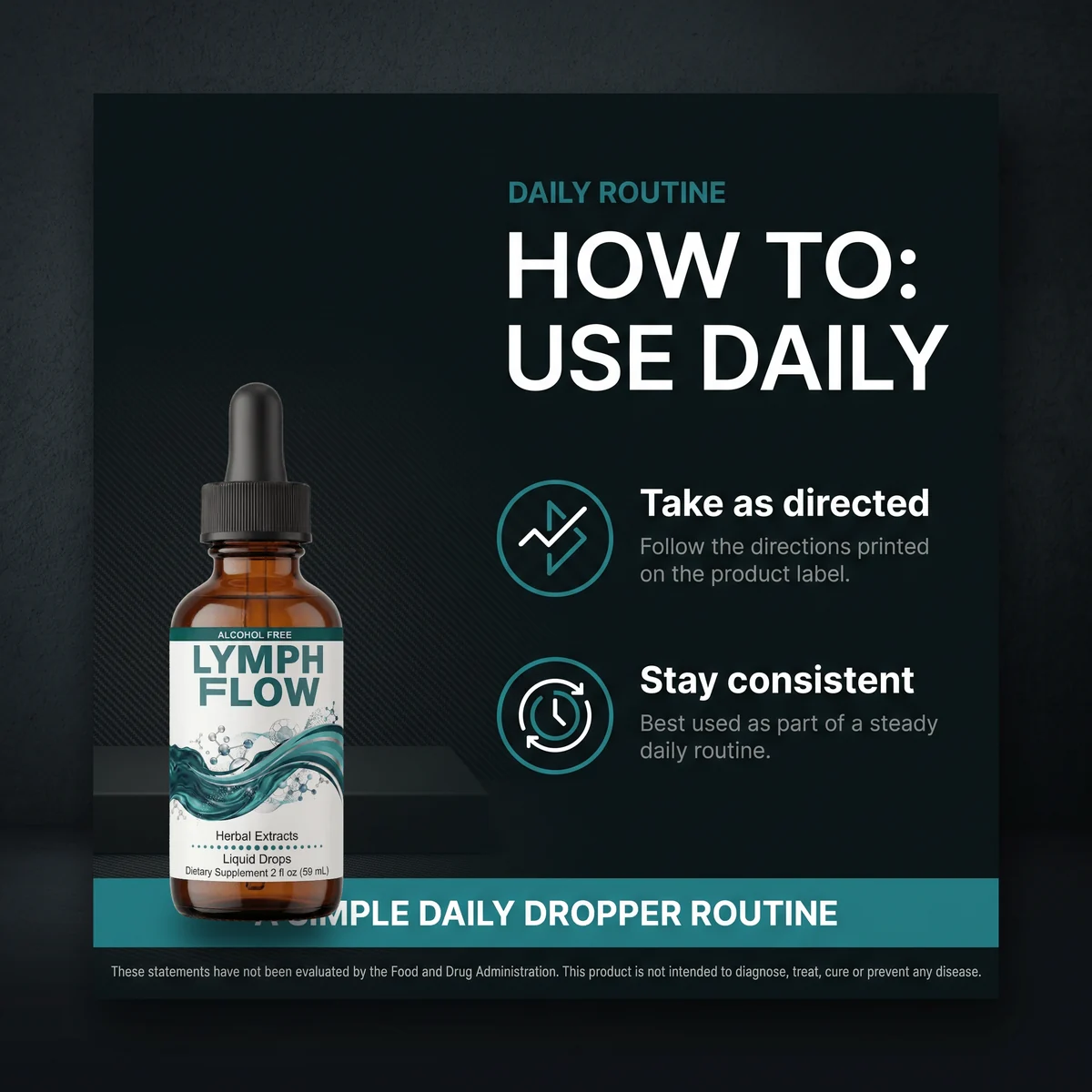
Look for a defined serving in drops or millilitres, guidance on whether to hold it under the tongue, and language describing traditional or general use rather than disease claims. Clear directions are also what let you take advantage of the flexible dosing that makes liquids appealing in the first place.
Putting it together in a real routine
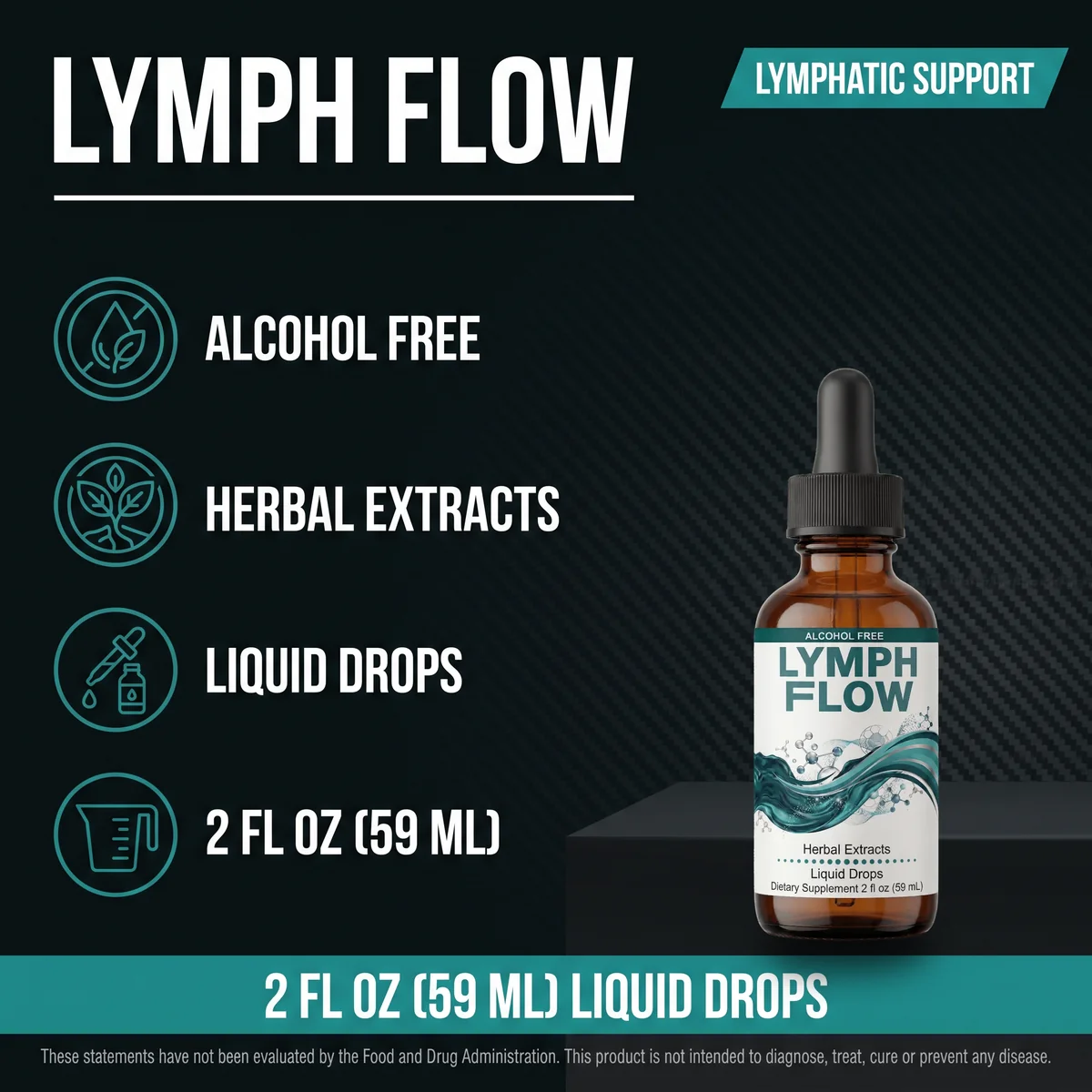
Here is how the format question plays out day to day. With a liquid, you draw up your serving, hold it under the tongue for a few seconds to let the sublingual route do its modest part, then swallow the rest with a little water — a five-second habit you can attach to your morning glass of water. With capsules, you take your pre-measured dose with a meal and never think about it again. Both are perfectly valid; the winning routine is the one you will still be doing in three months. For where a liquid herbal blend fits alongside the daily basics of movement and hydration, see our practical guide to supporting your lymphatic system naturally.
To be clear once more: choice of format is about convenience and absorption, not about curing anything. Herbal supplements support general wellness within a healthy routine and are not a substitute for medical care. Anyone who is pregnant, nursing, under 18 or on medication should speak with a physician before starting a new supplement in any format.
Frequently asked questions
Are liquid herbal drops better absorbed than capsules?
Liquid extracts are already dissolved, so they skip the disintegration step a capsule or tablet must go through before absorption can begin, and part of a liquid held under the tongue can absorb directly through the mouth. That can mean faster onset. Whether it means dramatically more total absorption depends on the specific compounds, so “better” depends on your goal — speed and flexible dosing favour liquids; convenience and precise dosing favour capsules.
What does sublingual mean, and does it work for herbs?
Sublingual means “under the tongue,” where a rich network of blood vessels can absorb some small molecules directly into the bloodstream, bypassing the digestive tract. Some herbal compounds are absorbed this way to a degree, which is why liquid drops are often held in the mouth before swallowing. Not every compound absorbs sublingually, so most of a herbal dose is still absorbed in the gut.
What is bioavailability?
Bioavailability is the proportion of a substance that actually reaches your bloodstream in active form after you take it. It is affected by the delivery format, whether the product is already dissolved, the specific compounds, and whether you take it with food. A more bioavailable format delivers more of what is on the label to where it can act.
Are capsules or liquid drops more convenient?
It depends on the person. Capsules are tidy, tasteless and pre-measured, which suits precise dosing and travel. Liquid drops need no swallowing of pills, allow flexible dosing and act quickly, which suits people who dislike capsules or want an adjustable dose. Both are valid; the best format is the one you will actually take consistently.
What should I look for on a liquid herbal extract label?
Look for the named herbs and their Latin names, the extraction ratio or strength, whether the base is alcohol-free, a clear serving size in drops or millilitres, and directions on whether to hold it under the tongue. An alcohol-free, clearly labelled liquid such as LymphFlow is well suited to daily use.
References
- The rate and extent of oral bioavailability versus the rate and extent of oral absorption: clarification and recommendation of terminology (Journal of Pharmacokinetics and Pharmacodynamics, 2001)
- Pharmacokinetic investigation of a nicotine sublingual tablet (European Journal of Clinical Pharmacology, 2001)
- Botanical Dietary Supplements: Background Information (NIH Office of Dietary Supplements)
Research on an individual botanical is not evidence about any finished blend. No clinical trial has been published on the LymphFlow formula itself, and none of the sources above tested it. Every link was checked against its source record on 3 September 2026.
† These statements have not been evaluated by the FDA. This product is not intended to diagnose, treat, cure or prevent any disease. This article is for general information only and is not medical advice.