What Is an Alterative Herb? How Blood- and Lymph-Cleansing Herbs Work
| What it is | An alterative herb is a traditional category for plants used to gradually support the body's own cleansing and eliminative organs. |
| How they're thought to work | By gently supporting the liver, kidneys, bowel, skin and lymph so the body clears its own waste more efficiently over time. |
| Common examples | Burdock, dandelion, cleavers, red root, echinacea, yellow dock, red clover. |
| Reality check | “Blood cleanser” is a traditional term, not a literal claim — and no alterative cures disease. |
Read the label of almost any “detox,” “cleanse” or lymphatic-support blend and you will meet the same handful of herbs again and again: burdock, dandelion, cleavers, red root, yellow dock, red clover. There is a reason they travel together. In the language of traditional Western herbalism they all belong to one old and important category — the alteratives. So the question worth answering, before you evaluate any cleansing product, is simple: what is an alterative herb, and how are these blood- and lymph-cleansing herbs actually thought to work? This guide explains the concept in plain English, separates the useful tradition from the marketing myth, and shows you how to read a label with clearer eyes.
A quick note before we begin: alteratives are general wellness botanicals with a long history of traditional use. Nothing here is medical advice, and no herb described here is intended to diagnose, treat, cure or prevent any disease.
What is an alterative herb, exactly?
“Alterative” is one of the traditional actions that Western herbalists use to classify plants, alongside terms like “bitter,” “lymphatic,” “diuretic” and “carminative.” The word comes from the Latin for “to alter,” and it captures the whole idea: an alterative is a herb used to gradually alter or restore healthy function to the body's cleansing and eliminative systems, shifting things slowly toward better balance rather than forcing a single fast effect.
The older, folk name for the same group is “blood cleanser” or “blood purifier.” That phrase is charming and memorable, and also the single biggest source of confusion in this whole subject — so we will deal with it head-on below. For now, hold onto the accurate version: an alterative is a herb traditionally used to support the organs that already do your cleansing, so they can do their job well.
How alterative herbs are thought to work
The defining feature of an alterative is that it does not target a symptom. It targets a system. Instead of, say, easing a headache directly, an alterative is used over weeks to support the body's routes of elimination — and traditional herbalism recognises several of those routes:
The organs of elimination
Your body has a well-organised set of systems for handling and clearing waste, and each has herbs traditionally associated with it:
- The liver — the body's central processing plant for metabolic by-products. Herbs like milk thistle and dandelion root are the classic liver-supporting alteratives. Our guide on how milk thistle supports liver detox goes deep on this.
- The kidneys — which filter the blood and pass waste out in urine. Diuretic alteratives such as dandelion leaf and cleavers are traditionally linked here.
- The bowel — the main exit route for solid waste. Roots like burdock and yellow dock have a traditional bowel-supporting reputation.
- The skin — historically viewed as a “third kidney.” Burdock in particular has a long folk history for clear, healthy skin.
- The lymph — the drainage-and-immune network that clears fluid and cellular waste from the tissues. Cleavers and red root are the headline lymphatic alteratives.
The traditional logic is that if all of these routes are working well, the body clears its own waste efficiently — and an alterative is simply a herb used to nudge one or more of those routes toward better function, gently and over time. That is why alteratives are described as slow, cumulative herbs, not overnight fixes.
You will also notice a lot of overlap. Many alteratives are simultaneously bitters (which stimulate digestion), lymphatics (which support drainage) or hepatics (which support the liver). A single herb can wear several of these hats, which is exactly why a thoughtful cleansing blend can cover a lot of ground with only a handful of well-chosen plants. To see the lymphatic side of this in practice, read our guide on how to support your lymphatic system naturally.
The honest truth about “blood cleansing”
Two authorities are worth reading beside the tradition. NCCIH's review of detoxes and cleanses reports little rigorous evidence that cleansing programmes remove toxins or improve health, and the NIH Office of Dietary Supplements' background on botanical dietary supplements explains why a herb's traditional category rarely maps onto a measured pharmacological effect. Neither says the herbs are useless; both say the vocabulary promises more than the evidence delivers.
Here is the part every responsible guide has to say plainly. Your body is already extremely good at detoxifying itself. The liver, kidneys, bowel, skin and lymphatic system work around the clock to process and remove waste, and in a healthy person they do not need “purifying” by any product. No herb, tea or tincture literally cleanses or purifies the blood in a clinical sense, and any product that promises to “flush toxins” or “detox your blood” is overreaching.
So what is left, once we drop the myth? Quite a lot, actually. The accurate, defensible idea is that certain herbs are traditionally used to support the healthy, everyday function of the organs that do the cleansing — not to replace them, and not to perform some special purge. That is a modest claim, but it is a real one, and it is the only one worth making. When you read “blood cleanser” on a label, mentally translate it to “traditional support for the body's own eliminative organs,” and you will never be misled.
Common alterative herbs you will actually meet
Because the category is so central to traditional cleansing formulas, the same names recur. Knowing them turns a confusing ingredient list into a familiar one:
Root alteratives
These are the alteratives with the most modern chemistry behind them. A 2023 systematic review in the Journal of Ethnopharmacology on Arctium lappa and a 2024 review in The American Journal of Chinese Medicine on Taraxacum both map extensive phytochemistry against a thin human trial record — which is the honest shape of the whole alterative category.
Burdock and dandelion root are the archetypes — cleansing roots tied to the liver, bowel and skin. Yellow dock is another classic bowel-and-liver alterative, and sarsaparilla rounds out the group. Our article on burdock and dandelion root benefits for detox covers the two most important ones in detail.
Lymphatic alteratives
Cleavers and red root are alteratives with a specifically lymphatic focus — the herbs reached for when the goal is supporting drainage. See our guides on cleavers for lymphatic drainage and red root for lymphatic and spleen support.
Bowel and kidney alteratives
Because the category is defined by the routes of elimination, some alteratives work on the bowel rather than the lymph. Yellow dock root is the classic example, with an anthraquinone content that makes it a short-course herb rather than a daily tonic, and stinging nettle is the gently diuretic, nourishing member that leans on the kidneys instead.
Immune-leaning alteratives
Echinacea straddles the alterative and immune worlds, which is why it appears in both detox and immune formulas. Red clover is a gentler, more traditional “blood cleanser” often used for the skin.
A blend of classic alteratives, alcohol-free
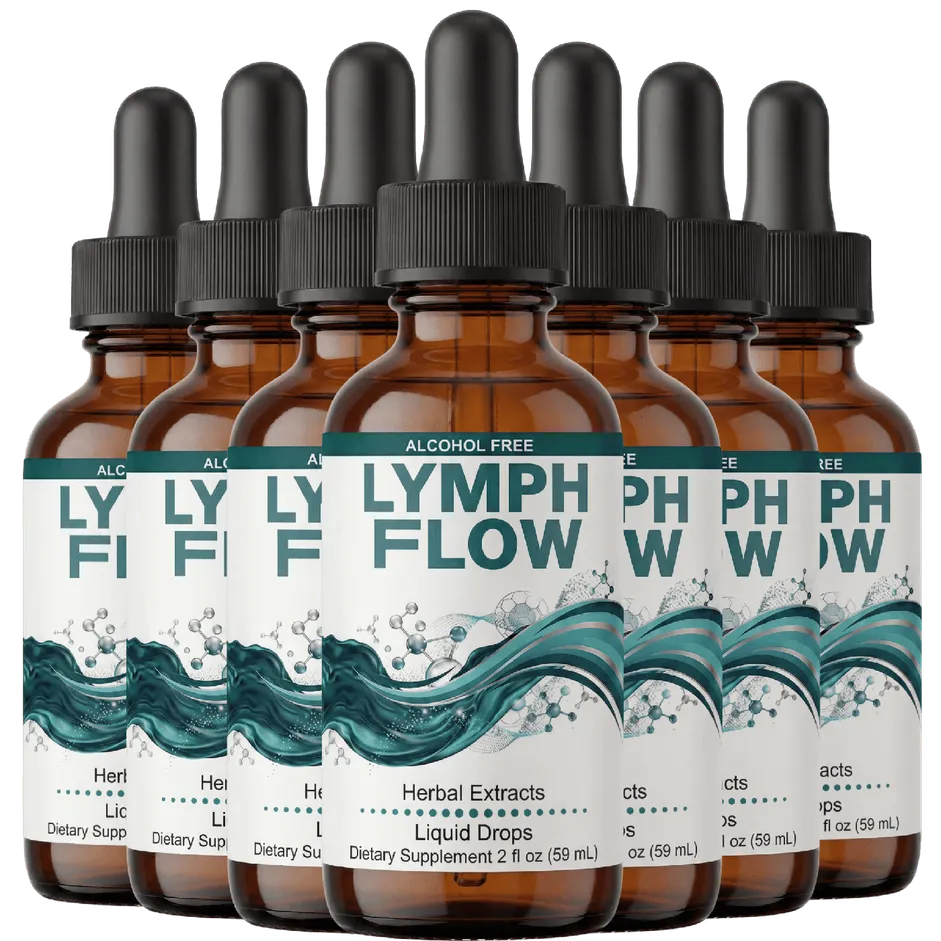
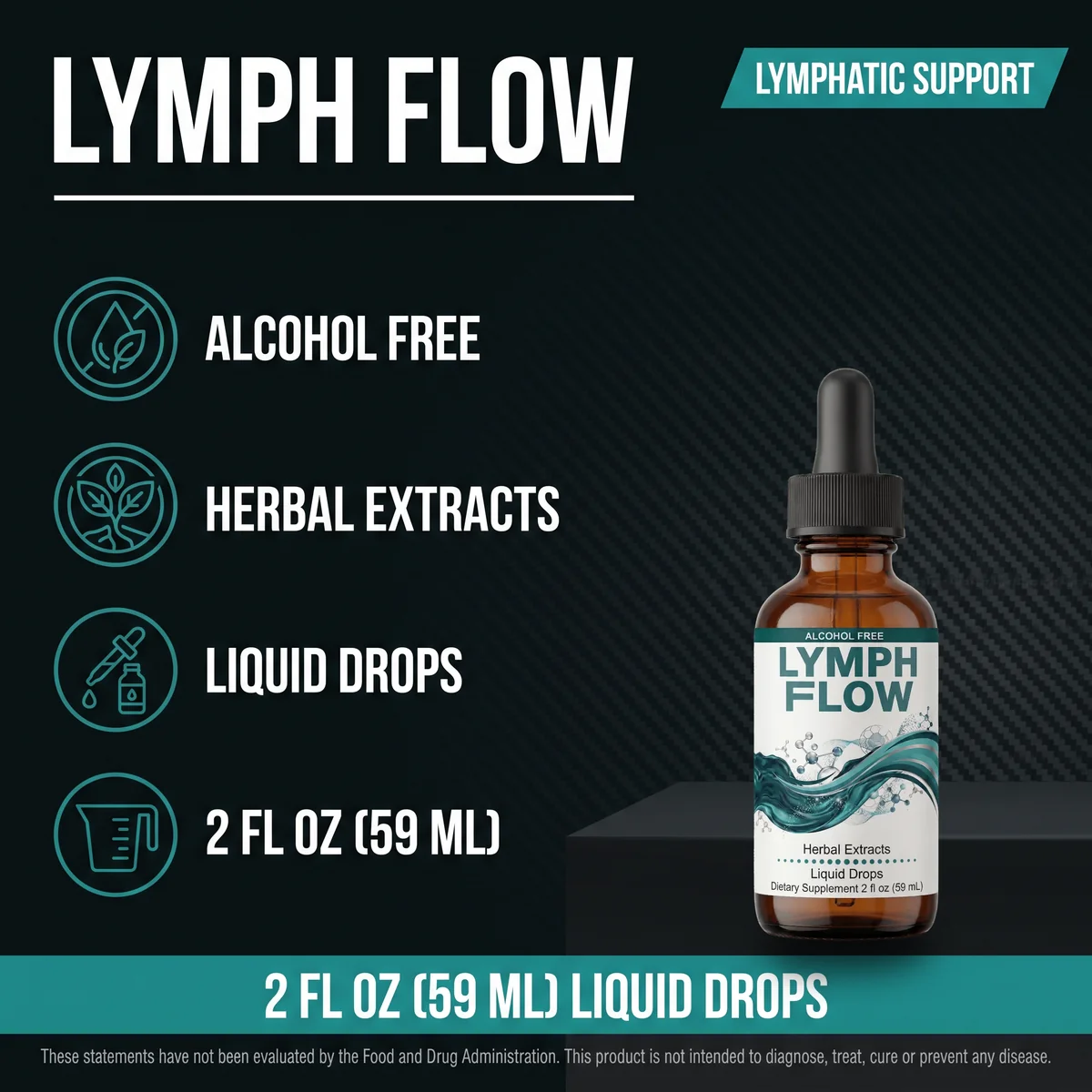
LymphFlow brings together several traditional alterative and lymphatic herbs — cleavers, red root, burdock, dandelion, echinacea and more — in simple, alcohol-free drops. It is an easy way to put this time-honoured category to work in a daily routine, backed by a 60-day money-back guarantee.
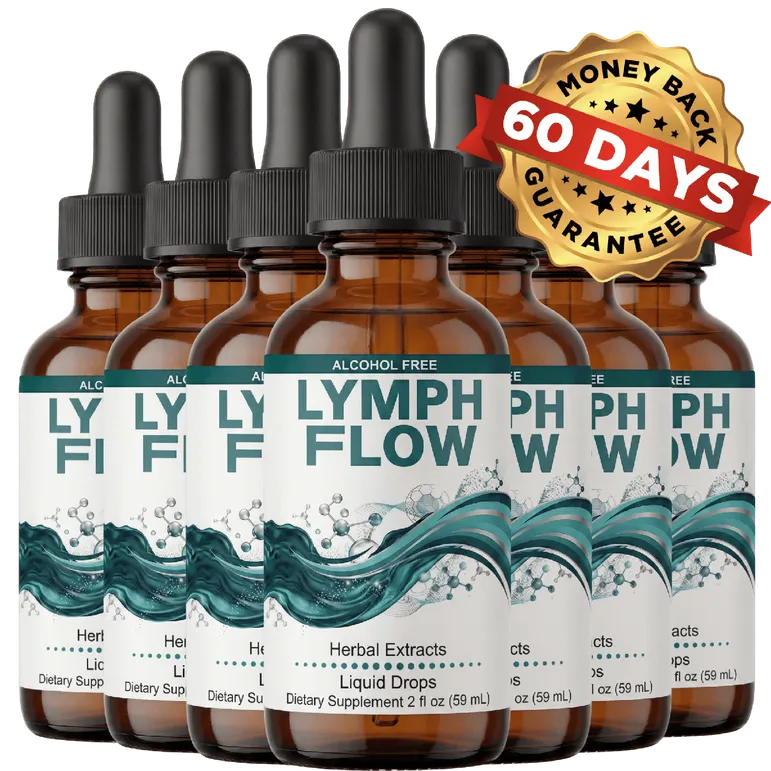 See LymphFlow Packages
What to look for on an alterative or “detox” label
Now that you know the category, you can read a cleansing product's label like an insider. Run through this checklist.
1. Named herbs with Latin names
A good label lists specific alterative herbs by their common and Latin names — Arctium lappa, Taraxacum officinale, Galium aparine and so on. A vague “proprietary detox blend” with no species named tells you nothing.
2. A realistic, gradual promise
Because alteratives work slowly and cumulatively, honest products describe ongoing support, not an overnight flush. Language promising to “purge toxins in 48 hours” misunderstands how these herbs work — and misrepresents the science.
3. Sensible companions across the eliminative routes
The best blends do not stack five liver herbs and ignore everything else. Look for a spread — a lymphatic or two, a liver herb, a bowel-and-skin root — so the formula supports the whole system, the way the tradition intended.
4. An alcohol-free option and honest claims
If you plan to take an alterative blend daily, an alcohol-free liquid is the friendlier choice; we compare formats in our guide to alcohol-free herbal tinctures vs alcohol-based. And always favour language describing traditional or general use over disease claims.
How alteratives are traditionally used
Because they act gradually, alteratives are taken steadily over weeks rather than in a single dramatic dose — the opposite of a crash cleanse. Traditionally they appear as teas, decoctions, capsules, tinctures or, increasingly, alcohol-free liquid drops that make daily use effortless. And they are always paired with the basics that do the real work: whole food, water, movement and sleep. An alterative herb supports your cleansing organs; your habits keep those organs healthy in the first place.
To be clear once more: alteratives support general wellness within a healthy routine. They are not a substitute for medical care, and anyone who is pregnant, nursing, under 18 or on medication should speak with a physician before starting any new herbal blend.
Frequently asked questions
What is an alterative herb?
An alterative is a traditional Western herbal category for plants used to gradually restore healthy function to the body's own cleansing and eliminative systems — the liver, kidneys, bowel, skin and lymph. The older folk name is “blood cleanser” or “blood purifier.” Alteratives are general wellness herbs, not treatments for any disease.
How do alterative herbs work?
Rather than acting on one symptom, alteratives are traditionally thought to gently support the organs of elimination so the body clears its own waste more efficiently over time. Many are also bitters, lymphatics or liver herbs. The word means “to alter” — to shift the body gradually toward better function through steady use, not a quick flush.
What are some examples of alterative herbs?
Classic alteratives include burdock root, dandelion root, cleavers, red root, echinacea, yellow dock, red clover and sarsaparilla. Many lymphatic and liver herbs overlap with the alterative category, which is why a well-designed detox blend often reads like a list of alteratives.
Do alterative herbs really “cleanse the blood”?
“Blood cleanser” is a traditional term, not a literal medical claim. The body already detoxifies itself through the liver, kidneys, bowel, skin and lymph. Alteratives are traditionally used to support the healthy function of those systems, not to replace them. No herb “purifies” blood in a clinical sense, and none should be described as curing disease.
How are alterative herbs usually taken?
Because they work gradually, alteratives are taken steadily over weeks as teas, decoctions, capsules, tinctures or alcohol-free liquid drops. A blend such as LymphFlow combines several alterative and lymphatic herbs in alcohol-free drops. Always follow the serving directions on the product label.
References
- Detoxes and Cleanses: What You Need To Know (National Center for Complementary and Integrative Health)
- Botanical Dietary Supplements: Background Information (NIH Office of Dietary Supplements)
- A systematic review on botany, ethnopharmacology, quality control, phytochemistry, pharmacology and toxicity of Arctium lappa L. fruit (Journal of Ethnopharmacology, 2023)
- Taraxacum: A Review of Ethnopharmacology, Phytochemistry and Pharmacological Activity (The American Journal of Chinese Medicine, 2024)
- Hoffmann D. Medical Herbalism: The Science and Practice of Herbal Medicine. Healing Arts Press.
- Grieve M. A Modern Herbal.
Research on an individual botanical is not evidence about any finished blend. No clinical trial has been published on the LymphFlow formula itself, and none of the sources above tested it. Every link was checked against its source record on 3 September 2026.
† These statements have not been evaluated by the FDA. This product is not intended to diagnose, treat, cure or prevent any disease. This article is for general information only and is not medical advice.