Turmeric and Curcumin Benefits for Inflammation and Detox
| What it is | Turmeric (Curcuma longa) — the golden culinary root; its key actives are the curcuminoids, chiefly curcumin. |
| Key benefit | Studied for antioxidant activity and for supporting a healthy, balanced inflammatory response. |
| The active compounds | Curcuminoids (curcumin) plus the aromatic turmerones in the root's essential oil. |
| How to use it | With an absorption helper — black pepper (piperine) or a liquid/phospholipid format — and taken consistently. |
Few plants have travelled from the spice rack to the supplement aisle as decisively as turmeric. The golden root that colours curry has become one of the most-studied botanicals in the world, largely because of a family of pigments called curcuminoids — and above all curcumin. In this guide we will unpack the real turmeric and curcumin benefits for inflammation and detox, how curcumin is thought to work, why absorption is the whole ballgame, sensible dosing context, and how to read a label so you actually get what you are paying for.
A grounding note first: turmeric is a general wellness spice and supplement with a deep traditional record. Nothing here is medical advice, and turmeric is not intended to diagnose, treat, cure or prevent any disease.
What is turmeric?
Turmeric (Curcuma longa) is a rhizome — an underground stem — in the ginger family, and if you have read our companion piece on ginger root benefits for circulation and digestion, the family resemblance is no accident. Native to South Asia, turmeric has been a cornerstone of Ayurvedic and traditional cooking and medicine for thousands of years, prized as much for its warm, earthy flavour as for its brilliant orange-gold colour. That colour is the clue to its chemistry: the pigments responsible are the very compounds researchers find most interesting.
In a modern wellness context, turmeric is discussed on two levels. There is the whole root, used as a spice and a traditional tonic, and there is curcumin, the isolated star compound that most clinical research focuses on. Understanding the difference helps you make sense of any label — a turmeric product and a high-strength curcumin extract are related but not the same thing.
How curcumin supports the body's inflammatory balance
NCCIH's summary of turmeric is the honest baseline: turmeric has been studied for a long list of conditions and has not been clearly shown to help with any of them, largely because curcumin is so poorly absorbed. A 2025 systematic review and meta-analysis in Pharmaceutics on turmeric and turmeric-plus-piperine supplementation and lipid profiles is one of the better-controlled attempts to measure a real-world outcome.
The headline reason people reach for curcumin is its relationship with inflammation — but the accurate framing matters enormously here. Inflammation is not the villain; it is a normal, necessary process the body uses to heal and defend itself. The problem is inflammation that stays switched on when it should switch off. What the research on curcumin explores is its role in supporting the body's own regulation of that response — helping the system return to balance rather than forcing it down.
Mechanistically, curcumin is studied as an antioxidant and as a molecule that interacts with several of the signalling pathways the body uses to dial its inflammatory response up and down. It is genuinely interesting chemistry, and it is also honest to say that much of the strongest evidence is still developing and that curcumin's poor natural absorption has complicated the research. The fair summary: curcumin is one of the most-studied plant compounds for inflammatory balance, and it is best understood as a supportive wellness compound rather than a proven remedy.
The detox and liver connection
Where does “detox” come in? The liver is the body's principal detox organ, running the two-phase enzymatic system that transforms and packages waste for removal. Antioxidants such as curcumin are studied for supporting the liver's own protective processes, and in traditional systems turmeric was long used as a digestive and liver-supporting spice, thought to stimulate healthy bile flow. As with milk thistle, the honest mechanism is support of normal function, not a cleanse in a bottle. For the classic liver herb, our guide to how milk thistle supports liver detox is a natural companion.
The absorption problem — and how it is solved
The classic reference here is a 1998 Planta Medica study on the influence of piperine on the pharmacokinetics of curcumin in animals and human volunteers, which reported a large increase in curcumin bioavailability when black-pepper piperine was co-administered. It is a small, old study, and it is still the reason almost every turmeric label mentions black pepper.
Here is the single most important practical fact about curcumin: on its own, it is poorly absorbed. Taken as plain powder, much of it passes straight through, and what is absorbed is cleared quickly. This is why the format of a turmeric product matters more than almost any other supplement you will buy. There are two main solutions:
Black pepper (piperine)
Piperine, the pungent compound in black pepper, is shown to increase curcumin absorption dramatically — by a large multiple in human studies — by slowing how fast the body clears it. This is why so many turmeric capsules list “black pepper extract” on the label, and why traditional recipes so often paired the two without knowing the biochemistry.
Liquid, phospholipid and liposomal formats
Because curcumin is fat-loving rather than water-loving, formats that carry it in oils, phospholipids or liposomes can markedly improve uptake. Taking turmeric with a fat-containing meal helps for the same reason. The takeaway: a well-designed delivery format is not marketing fluff with curcumin — it is the difference between a supplement that reaches your bloodstream and one that mostly does not.
Traditional botanicals in every dropper
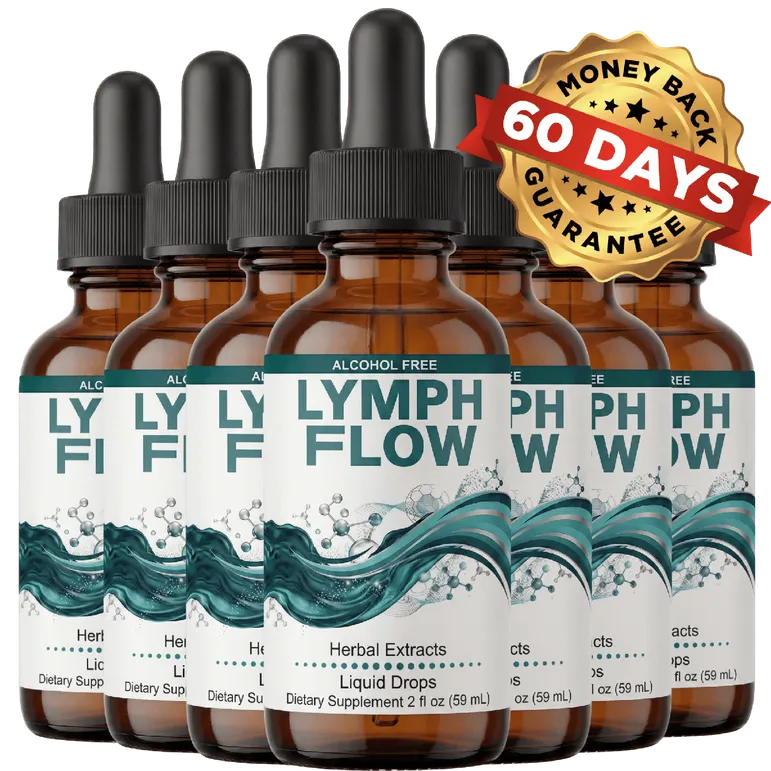
LymphFlow blends traditional lymphatic and cleansing botanicals into easy, alcohol-free drops — a simple daily tonic backed by a 60-day money-back guarantee.
 See LymphFlow Packages
Turmeric and curcumin dosing context
Because “turmeric” can mean anything from a pinch of spice to a concentrated extract, dosing depends entirely on the form:
Culinary turmeric
As a cooking spice, turmeric is used freely and is well tolerated. Culinary amounts deliver relatively little curcumin, which is exactly why supplements exist — but the spice is a pleasant, low-risk everyday source.
Standardised curcumin extracts
Extracts are often standardised to a high percentage of curcuminoids and paired with piperine or a delivery system. Because these are far more concentrated than the raw root, the label — and its absorption strategy — is your guide.
Liquid and blended formats
One thing to be clear about: turmeric is not one of the eight botanicals in LymphFlow. That formula runs on cleavers, red root, burdock, dandelion, echinacea, astragalus, ginger and milk thistle — ginger is turmeric's close botanical cousin, but the two are different rhizomes with different chemistry, and only ginger is in the bottle. We cover turmeric here because it is the single most-asked-about detox botanical, and because the absorption problem above is the reason most turmeric purchases disappoint. Whatever the format, the rule holds — follow the product's own serving directions, take it with food where sensible, and give it time.
What to look for on a turmeric label
Use this checklist when you compare products:
1. Species and standardisation
The label should name Curcuma longa and, for an extract, state the curcuminoid percentage. A product that tells you how much curcumin it delivers is being transparent about the thing that matters.
2. An absorption strategy
Look for piperine (black pepper extract) or a named delivery format such as phospholipid or liposomal. Without one, a plain curcumin powder may not reach your bloodstream in meaningful amounts.
3. Alcohol-free if you take it daily
For a botanical you take over months, an alcohol-free base is gentler for everyday use. We break down the format question in our guide to alcohol-free herbal tinctures vs alcohol-based extracts.
4. Honest claims
Look for language describing antioxidant activity and support for a “healthy inflammatory response.” Skip anything promising to “cure inflammation” or treat a named disease — that is a marketing red flag, not a benefit.
How turmeric fits a whole-body routine
Two companion reads are worth your time here. Ginger is turmeric's close relative and the one actually used in lymphatic blends, and calendula covers the same anti-irritation territory from the skin side.
Turmeric is the “antioxidant and balance” piece of the puzzle, but it works best as part of a bigger picture. The body's inflammatory balance is shaped by sleep, movement, stress and diet; the liver and lymphatic system clear the waste that everyday metabolism produces; and no single spice replaces any of that. A well-absorbed curcumin slots into that framework in a supporting role. To understand the lymphatic side of cleansing, start with our natural lymphatic support guide, and to see how two humble roots support elimination, read our guide to burdock and dandelion root benefits for detox.
You can also learn more about the full formula and how the botanicals are chosen on the LymphFlow ingredients page. The through-line is simple: pick traditional botanicals with a clear rationale, deliver them in a form the body can actually absorb, and take them consistently.
Frequently asked questions
What are turmeric and curcumin good for?
Turmeric (Curcuma longa) is a golden culinary root used for centuries in Ayurvedic and traditional cooking. Its best-studied compounds, the curcuminoids (chiefly curcumin), are researched for antioxidant activity and for supporting a healthy, balanced inflammatory response. Turmeric is a general wellness spice and supplement, not a treatment for any disease.
How does curcumin support the body's inflammatory balance?
Curcumin is studied for its antioxidant activity and its interaction with signalling pathways that help regulate the body's normal inflammatory response. The goal described in research is balance — supporting the body's own regulation rather than shutting anything down. Much of the strongest evidence is still emerging, so curcumin is best understood as a well-studied wellness compound.
How does turmeric relate to liver detox?
The liver is the body's main detox organ, and antioxidants like curcumin are studied for supporting the liver's own protective and enzymatic processes. In traditional systems turmeric was used as a digestive and liver-supporting spice. It is a supporter of normal function rather than a cleanse in itself.
Why is black pepper added to turmeric supplements?
Curcumin is poorly absorbed on its own. Piperine, a compound in black pepper, is shown to increase curcumin absorption substantially, which is why many products pair the two. Other formats improve absorption too, such as liquid, phospholipid or liposomal preparations.
Who should be cautious with turmeric?
People who are pregnant or nursing, who take blood thinners or diabetes medication, who have gallstones or bile-duct problems, or who are scheduled for surgery should speak with a physician before using concentrated turmeric or curcumin. Culinary amounts are generally well tolerated. It is not intended to diagnose, treat, cure or prevent any disease.
References
- Turmeric (National Center for Complementary and Integrative Health)
- Effects of Turmeric and Turmeric Plus Piperine Supplementation on Lipid Profiles in Adults with Cardiometabolic Risk Conditions: A Systematic Review and Meta-Analysis of Randomized Controlled Trials Following PRISMA Guidelines (Pharmaceutics, 2025)
- Influence of piperine on the pharmacokinetics of curcumin in animals and human volunteers (Planta Medica, 1998)
Research on an individual botanical is not evidence about any finished blend. No clinical trial has been published on the LymphFlow formula itself, and none of the sources above tested it. Every link was checked against its source record on 3 September 2026.
† These statements have not been evaluated by the FDA. This product is not intended to diagnose, treat, cure or prevent any disease. This article is for general information only and is not medical advice.