Ginger Root Benefits for Circulation and Digestion: Uses, Science & Dosing
| What it is | Ginger (Zingiber officinale) is a warming culinary and medicinal root prized for digestion and circulation. |
| How it's thought to work | Its pungent gingerols and shogaols are studied for warming, carminative (digestion-easing) and antioxidant activity. |
| Why it's in the blend | Most lymphatic herbs are cooling; a little warming ginger keeps a cleansing blend moving and easy on digestion. |
| Label tip | Look for the Latin name, the root, an alcohol-free base and a clear serving size. |
Almost everyone already has ginger in the kitchen, which can make it easy to overlook as a serious herb. That would be a mistake. The ginger root benefits that matter most for a detox or lymphatic formula are its long traditions of supporting circulation and digestion — and its role as the warming “engine” that keeps an otherwise cooling herbal blend moving. In this guide we will look at what ginger actually is, why it earns a place beside cleansing herbs, what tradition and modern science say, how it is dosed, and what to look for on a label.
A quick note before we begin: ginger is a food and a general wellness botanical. Nothing here is medical advice, and ginger is not intended to diagnose, treat, cure or prevent any disease. With that framing, let us look at the root.
What is ginger root (Zingiber officinale)?
Ginger is the underground stem — botanically a rhizome, not strictly a root — of a tropical flowering plant in the same family as turmeric and cardamom. Native to Southeast Asia and cultivated for thousands of years, it is one of the most widely used spices on earth and one of the oldest documented medicinal plants, appearing in Ayurvedic, Chinese and Greco-Roman herbal traditions alike.
Its unmistakable heat comes from a group of pungent oily compounds. In fresh ginger these are mainly gingerols; when ginger is dried or heated, gingerols convert into shogaols, which are even more pungent. That chemistry is why dried ginger tastes hotter and is considered more warming in tradition than the fresh root — a small detail that matters when you read a label.
Why ginger supports circulation and digestion
In traditional systems ginger is classed as a warming, stimulating and carminative herb — carminative meaning it eases the digestive tract and helps settle gas and occasional queasiness. Generations of people have reached for ginger tea after a heavy meal or a cup of it to warm cold hands and feet, and both uses reflect its two headline traditional roles: digestion and circulation.
On the digestive side, ginger has been used to stimulate appetite, encourage the flow of digestive juices and ease occasional nausea — it is one of the best-studied herbs for that last use. On the circulation side, its warming quality is traditionally linked to supporting healthy peripheral blood flow, which is the herbalist's reason for adding it to blends aimed at movement of any kind, including lymph.
That is precisely why ginger appears in a lymphatic formula. Most lymphatic and cleansing herbs — cleavers, red root, burdock, dandelion — are described in the tradition as cooling and moving. A blend built entirely from cooling herbs can feel heavy or slow for some people. A small amount of warming ginger balances that, supports digestion so the other herbs sit comfortably, and adds a stimulating “push” that complements the passive drainage those cooling herbs encourage. If you want the drainage side of the picture, see our guide on cleavers for lymphatic drainage, and for the cleansing roots ginger sits beside, our article on burdock and dandelion root benefits.
What the science and tradition actually say
Ginger's strongest evidence is for nausea, not circulation, and the distinction matters. A 2026 umbrella review in Phytotherapy Research of Zingiber officinale for nausea and vomiting in pregnancy synthesised the existing systematic reviews on that use; separately, a GRADE-based dose-response meta-analysis of ginger supplementation and blood pressure examined the cardiovascular side and is far more tentative. NCCIH's summary of ginger lands where we do: promising for some digestive uses, unproven for most others.
Ginger is one of the more thoroughly researched herbs, so we can be reasonably specific — while staying honest about the limits. Its pungent compounds, chiefly gingerols and shogaols, have been studied for antioxidant activity and for effects on the digestive tract. The strongest human evidence concerns ginger and nausea: multiple reviews have found it helpful for occasional queasiness, including motion-related and pregnancy-related nausea (the latter only under medical guidance). Research also explores ginger's role in general digestive comfort and antioxidant support.
The circulation story is more traditional than clinical: ginger's warming reputation is centuries deep and chemically plausible, but it is not the same as a proven cardiovascular claim, and we will not pretend otherwise. The fair summary: ginger is a well-studied, food-grade herb with genuine traditional and some clinical support for digestion, best understood in a wellness blend as a warming, digestion-friendly balancer rather than a headline “detox” agent. One practical caution worth repeating: because ginger's compounds can affect blood, it is traditionally used carefully alongside blood-thinning medication.
The “warming and cooling” principle in practice
The idea of balancing warming and cooling herbs is one of the oldest in herbalism, and ginger is the classic warming partner. Adding a pinch of a stimulating spice to a formula of cooling, cleansing herbs is a technique found across traditions — it keeps the blend “moving,” supports the gut that has to process it, and makes the whole thing more comfortable for daily use. Ginger is not the star of a lymphatic blend; it is the reliable supporting player that helps the stars perform.
How ginger is traditionally dosed
Ginger's dose depends heavily on the form, and it spans a huge range from a culinary pinch to a concentrated extract. Here is the general context so a label makes sense.
Food, tea and fresh root
As a food or tea, ginger is self-limiting — you use as much as tastes good, often a few grams of fresh root steeped in hot water. This is the gentlest and most familiar way to take it.
Capsules and standardised extracts
Concentrated ginger capsules used in nausea studies often fall in the region of roughly 1–2 grams of dried ginger per day, divided into doses. Standardised extracts concentrate the gingerols further, so a much smaller amount delivers a comparable effect.
Liquid extract in a blend
In a lymphatic or detox formula, ginger usually appears as a small supporting amount within a liquid extract — enough to warm and balance the blend, not a full therapeutic nausea dose on its own. That is exactly the role it plays in alcohol-free drops. Whatever form you choose, the golden rule holds: follow the serving size on the product's own label, and start at the lower end.
The warming touch in a cooling blend
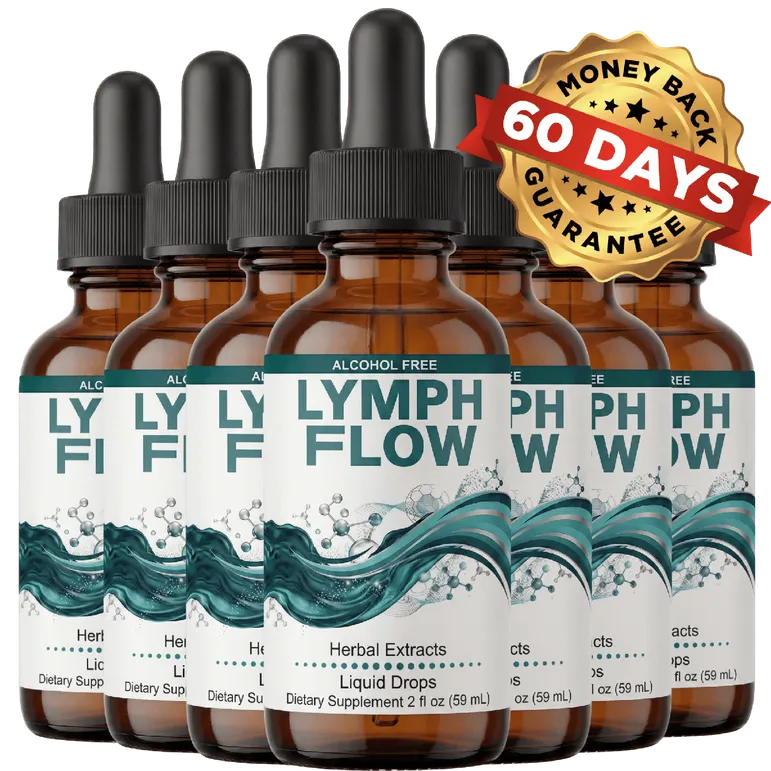
LymphFlow rounds out its cooling lymphatic herbs — cleavers, red root, burdock and dandelion — with a warming touch of ginger, all in simple, alcohol-free drops. It is an easy way to bring this balanced blend into a daily routine, backed by a 60-day money-back guarantee.
 See LymphFlow Packages
What to look for on a ginger label
Ginger is simple compared with some herbs, but a few label details still matter. Run through this checklist.
1. The botanical name and plant part
A quality label states the Latin name — Zingiber officinale — and confirms the part used is the rhizome (root). This distinguishes true ginger from unrelated “wild ginger” plants.
2. Its role and amount in a blend
In a multi-herb formula, ginger is usually a supporting ingredient, not the main event. That is appropriate for a lymphatic blend — you are not buying a dedicated nausea remedy, you are buying a warming balancer. A transparent label makes clear where ginger sits in the blend.
3. Alcohol-free vs alcohol base
Decide whether you want an alcohol-based tincture or an alcohol-free glycerite. If you plan to take it daily and prefer to avoid alcohol, an alcohol-free extract is the friendlier choice. We compare the two in depth in our guide to alcohol-free herbal tinctures vs alcohol-based.
4. A clear serving size and honest claims
Look for a defined serving and language that describes traditional or general use rather than disease claims. To understand how a liquid ginger blend is absorbed compared with a capsule, see our explainer on liquid herbal drops vs capsules and absorption.
Who tends to reach for ginger
Ginger appeals to people who run cold, who want a little digestive comfort with a cleansing routine, or who simply appreciate its warming character in a blend of cooling herbs. Because it is a familiar food, most people already know how their body responds to it, which makes it an easy, low-drama addition to a daily wellness habit.
To be clear once more: ginger supports general wellness within a healthy routine. It is not a substitute for medical care. Because it can affect blood and interact with blood-thinning medication, and because larger amounts are not advised before surgery, anyone on medication or who is pregnant, nursing or under 18 should speak with a physician before using a concentrated ginger supplement.
Putting ginger to work in a real routine
If ginger appeals, its close relative is the obvious next read: turmeric and curcumin come from the same plant family and are often paired, though turmeric has a far harder absorption problem to solve. On the immune side, echinacea is the herb most often taken alongside a warming spice through the colder months.
Here is what a sensible day with a ginger-containing blend might look like. You take your alcohol-free drops with your first glass of water in the morning, when a little warming support suits the start of the day; you eat mindfully, letting ginger's carminative reputation do its quiet work at mealtimes; you keep moving so your circulation and lymph both benefit; and you stay hydrated. The herb is the easy part — the routine is what makes it meaningful. For the full daily template, see our practical guide to supporting your lymphatic system, and to understand the broad category of cleansing herbs ginger supports, read what an alterative herb is.
Frequently asked questions
What is ginger root used for?
Ginger root (Zingiber officinale) is a warming culinary and medicinal spice used traditionally to support comfortable digestion and healthy circulation. In a detox or lymphatic blend it plays a supporting role, warming and moving where cooling lymphatic herbs do the drainage work. It is a general wellness herb, not a treatment for any disease.
How does ginger support circulation and digestion?
Ginger contains pungent compounds called gingerols and shogaols that give it its heat and are studied for their warming, carminative and antioxidant activity. Traditionally it is used to stimulate digestion, ease occasional nausea and support peripheral circulation — which is why herbalists often add a little ginger to a cooling herbal blend to keep it moving.
How is ginger usually taken?
Ginger is taken as fresh or dried root, tea, capsules, or as a liquid extract. In a lymphatic formula it usually appears as a small supporting amount within alcohol-free liquid drops such as LymphFlow. Always follow the serving directions on the product label.
Is ginger safe to take every day?
Ginger is a common food with a long record of everyday use and a reassuring safety profile at culinary and typical supplement amounts. Because it can interact with blood-thinning medication and may not suit everyone before surgery, people on medication or who are pregnant, nursing or under 18 should check with a physician first. It is not intended to diagnose, treat, cure or prevent any disease.
Why is ginger in a lymphatic or detox blend?
Most lymphatic herbs are described in tradition as cooling and moving. Ginger is warming and stimulating, so a small amount is added to balance the blend, support digestion and help keep things circulating — a classic herbalist's technique of pairing a warming spice with cooling cleansing herbs.
References
- Treatment of Nausea and Vomiting With Zingiber officinale in Pregnancy: An Umbrella Review of Systematic Reviews With Meta-Synthesis (Phytotherapy Research, 2026)
- Ginger Supplementation and Blood Pressure in Adults: A GRADE-Based Systematic Review and Dose-Response Meta-Analysis of Randomized Controlled Trials (Journal of Human Nutrition and Dietetics, 2026)
- Ginger (National Center for Complementary and Integrative Health)
Research on an individual botanical is not evidence about any finished blend. No clinical trial has been published on the LymphFlow formula itself, and none of the sources above tested it. Every link was checked against its source record on 3 September 2026.
† These statements have not been evaluated by the FDA. This product is not intended to diagnose, treat, cure or prevent any disease. This article is for general information only and is not medical advice.