Yellow Dock Root Benefits for Detox and Digestion
| What it is | Yellow dock (Rumex crispus) — a common wild plant whose root is a classic alterative and gentle bitter. |
| Key benefit | Traditionally used to support healthy digestion, regular elimination and the body's use of iron. |
| The active compounds | Anthraquinones, bitter principles and tannins, plus a folk reputation for iron support. |
| How to use it | In small, modest amounts — it is a gentle bitter, not a bulk herb, and less is more. |
Some of the most useful cleansing herbs are plants most people walk right past. Yellow dock is one of them: a tall, unassuming weed with rusty seed stalks that grows in fields and roadsides across the temperate world. Its deep taproot, though, is a fixture of traditional Western herbalism — one of the classic alteratives, the “blood cleansers,” used to support digestion, elimination and the body's use of iron. In this guide we will unpack the real yellow dock root benefits for detox and digestion, how the root is thought to work, the compounds behind its reputation, sensible dosing context, and how to read a label.
A grounding note first: yellow dock is a general wellness herb with a long traditional record, and it is a herb that genuinely calls for modest amounts. Nothing here is medical advice, and yellow dock is not intended to diagnose, treat, cure or prevent any disease.
What is yellow dock?
Yellow dock (Rumex crispus, also called curly dock for its wavy-edged leaves) is a perennial in the buckwheat family. The name comes from the vivid yellow colour of its taproot when cut — a colour that hints at the anthraquinone pigments inside. It is a close relative of common sorrel and shares that family's characteristic tartness and oxalate content.
In herbal terms, yellow dock is a bitter and an alterative. If those categories are new to you, our explainer on what an alterative herb is and how they work is the ideal primer — yellow dock is one of the textbook examples. What sets it apart from gentler alteratives like burdock is its mild action on the bowel: it belongs to the small group of cleansing roots that also, in modest amounts, encourage regular elimination.
How yellow dock supports detox and digestion
One framing note first: NCCIH's review of detoxes and cleanses found little rigorous evidence that detox regimens remove toxins or improve health. Yellow dock's traditional role is narrower and more mechanical than the word suggests — it is about the bowel, not about purification.
Yellow dock's traditional role rests on two connected mechanisms, both centred on the digestive tract — which is itself a major route by which the body clears waste.
First, it is a bitter. Bitter-tasting herbs have a long history of use to “switch on” digestion: the bitter taste is thought to prompt the release of digestive juices and support healthy bile flow from the liver and gallbladder. Because bile is one of the vehicles the liver uses to carry processed waste out through the gut, supporting bile flow supports the tail end of liver detoxification. This is the same logic behind the classic liver roots, and our guide to how milk thistle supports liver detox fills in that side of the picture.
Second, yellow dock contains small amounts of anthraquinones — the same broad family of compounds found in senna and rhubarb — which gently encourage the bowel to move. In the modest amounts used traditionally, this is a supportive, tonic action rather than a purge. Since the bowel is a key exit route for the waste the liver packages, a herb that keeps that route moving fits naturally into a cleansing formula. The important word throughout is gentle: yellow dock is used in small amounts precisely so that it supports normal function rather than forcing it.

The iron connection
This is the claim most often overstated, so be precise. The NIH Office of Dietary Supplements' iron fact sheet explains that non-heme plant iron is absorbed far less efficiently than heme iron and that absorption is strongly modified by other dietary components. Yellow dock is a plant source with a folk reputation, not an iron supplement, and anyone genuinely low in iron needs a blood test rather than a bitter root.
Yellow dock's other famous folk use is as a herb that supports the body's use of iron. Traditional herbalists included it in mineral-rich “building” tonics, and it remains a common ingredient in herbal iron syrups. The honest framing is that this reputation is largely traditional rather than backed by large clinical trials, and yellow dock is not a substitute for an iron supplement or for medical advice about low iron. But it is a genuine and consistent thread through the herbal literature, and part of why yellow dock is valued as a nourishing as well as a cleansing herb.
The active compounds in yellow dock
Yellow dock's character comes from a distinctive root chemistry:
Anthraquinones
The genus is better studied as fodder and food than as medicine. A 2026 review in Frontiers in Veterinary Science on the nutritional value of Rumex plants surveys the constituents across the genus — including the oxalates and tannins that limit how much anyone should eat — which is a useful corrective to supplement-label enthusiasm.
These are the pigments responsible for the root's gentle laxative action and part of its yellow colour. In small amounts they support regular elimination; in large amounts they become a harsh purgative, which is exactly why yellow dock is a “less is more” herb.
Bitter principles and tannins
The bitter compounds drive its digestive-stimulating reputation, while astringent tannins give the root its slightly puckering quality and contribute to its traditional tonic use.
Minerals and oxalates
Yellow dock supplies iron and other minerals, the basis of its “iron tonic” reputation. Like its sorrel relatives it also contains oxalates, which is one reason people prone to kidney stones are advised to be cautious and why the herb is used in modest amounts.
Traditional cleansing roots in every dropper
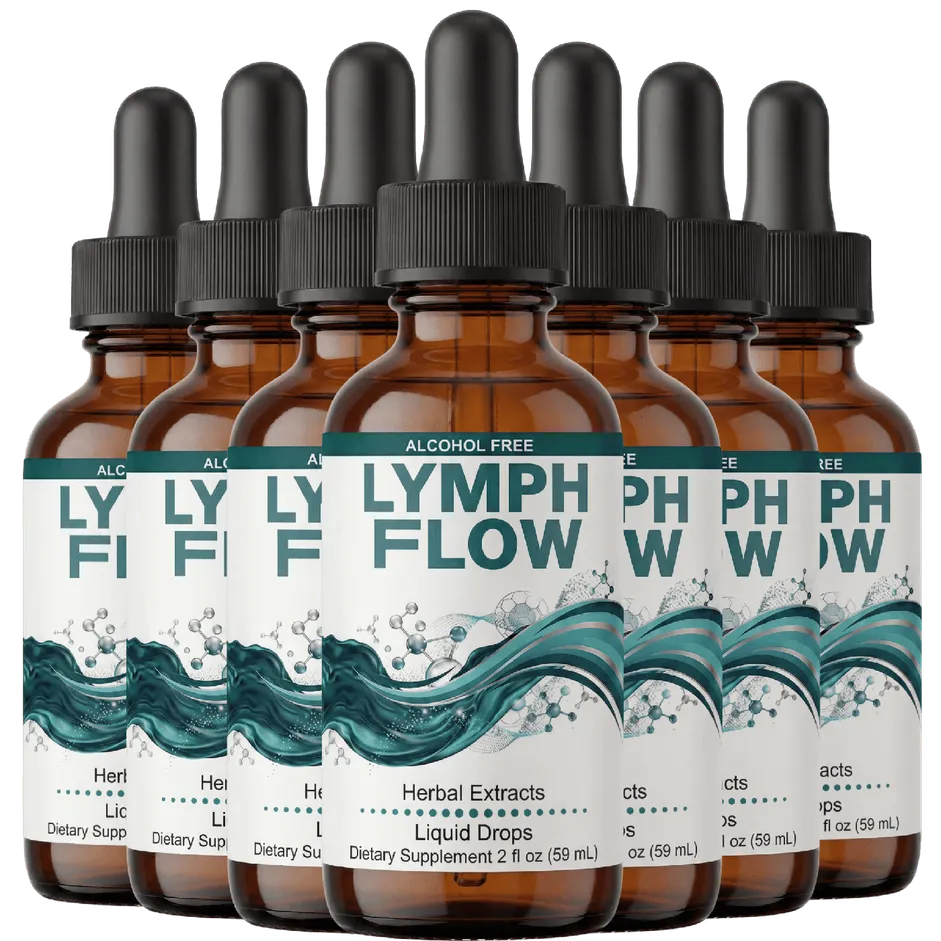
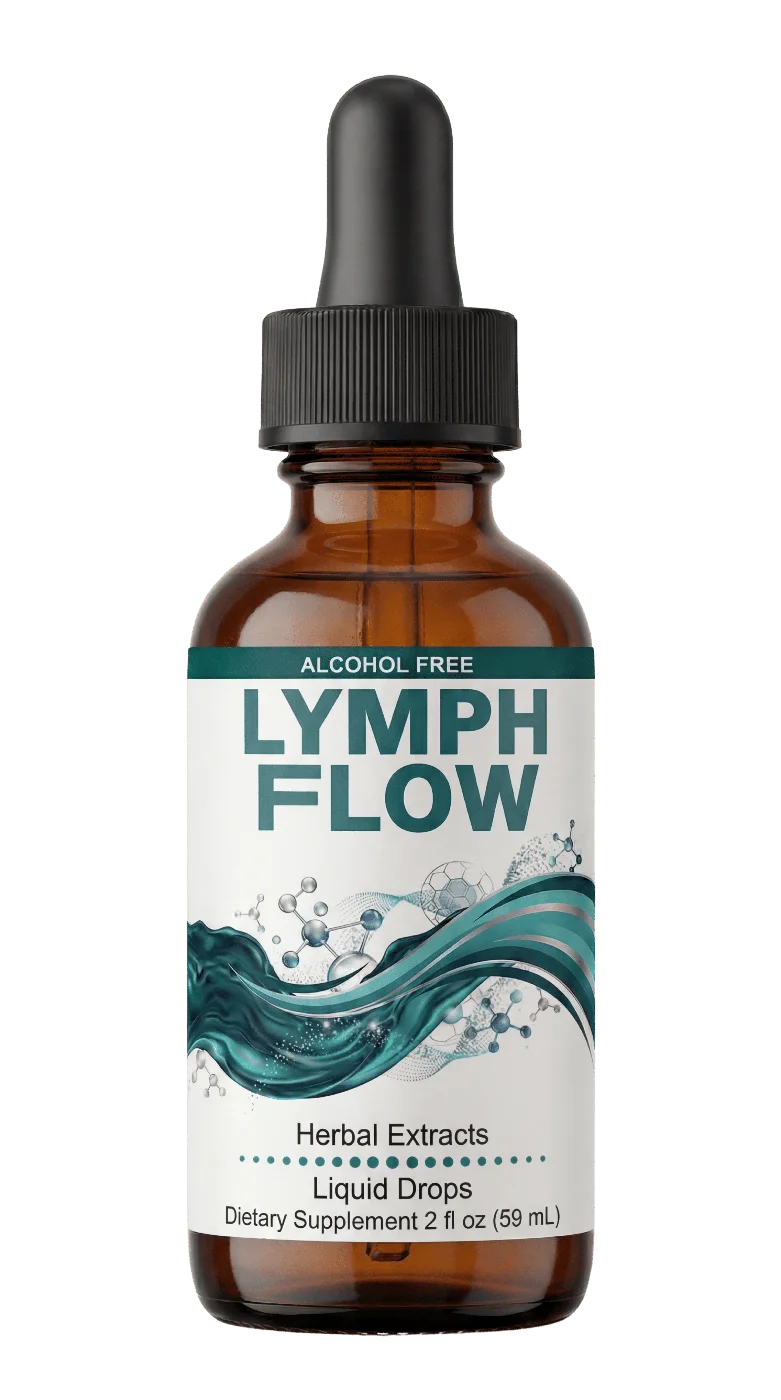
LymphFlow blends traditional lymphatic and cleansing botanicals into easy, alcohol-free drops — a simple daily tonic backed by a 60-day money-back guarantee.
 See LymphFlow Packages
Yellow dock dosing context
Yellow dock is one of the herbs where restraint is the whole point. Understanding the forms helps you read any label sensibly:
Decoction
Traditionally the chopped root is simmered into a decoction and taken in small cupfuls. Because of the anthraquinones, this is used modestly, not by the mugful.
Tinctures and extracts
A yellow dock tincture is taken in small drop doses. Its potency as a bitter and gentle laxative means the effective amount is small — the label is your guide, and starting low is the sensible rule.
Liquid drops
Worth stating outright: yellow dock is not one of the eight botanicals in LymphFlow. That blend uses cleavers, red root, burdock, dandelion, echinacea, astragalus, ginger and milk thistle. Yellow dock gets its own guide here because it is the classic bowel-moving alterative that cleansing formulas reach for, and because its anthraquinone content is the reason it should never be treated as an everyday tonic. Whatever the format, the rule holds — follow the product's own serving directions, keep it modest, and do not use it as a standalone laxative.
What to look for on a yellow dock label
Use this checklist when you compare products:
1. Species and plant part
The label should name Rumex crispus and specify the root, which is the medicinal part. The leaves are a different matter and are not the tonic root.
2. Sensible, modest positioning
Good yellow dock products treat it as a gentle bitter and tonic, not as a “detox laxative.” Any product pushing it as a bowel blast is misusing the herb — the tradition is all about modest, supportive amounts.
3. Alcohol-free if you take it daily
For a herb you take as part of a long-term routine, an alcohol-free base is gentler for everyday use. We break down the format question in our guide to alcohol-free herbal tinctures vs alcohol-based extracts.
4. Sensible companions and honest claims
In a cleansing formula, yellow dock pairs naturally with burdock, dandelion and the liver herbs. Look for language describing traditional or general use, and skip anything promising a dramatic “flush” or a cure.
How yellow dock fits a whole-body routine
Yellow dock is the “gentle bitter and bowel” piece of the puzzle, but it works best as part of a bigger picture. Regular elimination depends on fibre, hydration and movement; the liver processes the waste the bowel then carries out; and no single root replaces any of that. A digestive bitter slots into that framework in a supporting role. To meet its two closest cleansing cousins, read our guide to burdock and dandelion root benefits for detox, and to understand how the lymphatic side of cleansing works, start with our natural lymphatic support guide.
You can also learn more about the full formula and how the botanicals are chosen on the LymphFlow ingredients page. The through-line is simple: pick traditional herbs with a clear rationale, deliver them gently and in modest amounts, and take them consistently.
Add Gentle Detox Support to Your Day
Frequently asked questions
What is yellow dock root good for?
Yellow dock (Rumex crispus) is a common wild plant whose root is one of the classic alterative, or blood-cleansing, herbs in Western tradition. It is a gentle bitter used to support healthy digestion and regular elimination, and it has a folk reputation for supporting the body's iron uptake. It is a general wellness herb, not a treatment for any disease.
How does yellow dock support detox and digestion?
Yellow dock is a bitter that traditionally stimulates digestive secretions and bile flow, and it contains small amounts of anthraquinones that gently encourage regular bowel movement. Because the bowel is a key exit route for waste the liver processes, herbalists grouped yellow dock with the cleansing herbs. It works gently and is taken in modest amounts.
Does yellow dock help with iron?
Yellow dock has a long folk reputation as a herb that supports the body's use of iron, and it is a traditional ingredient in mineral-rich herbal tonics. The evidence is largely traditional rather than clinical, and yellow dock is not a substitute for an iron supplement or for medical advice about low iron.
How much yellow dock is typically taken?
Yellow dock is used in small amounts because of its bitter and gently laxative anthraquinones. Traditional doses are modest — a small amount of tincture or a cup of root decoction — and in a blend it appears as one minor component. Always follow the serving size on the product label and start low.
Who should avoid yellow dock?
People who are pregnant or nursing, who have a history of kidney stones (because of its oxalate content), who take medications affected by laxatives, or who are under 18 should speak with a physician before using yellow dock. It should not be used in large amounts or long-term as a laxative. It is not intended to diagnose, treat, cure or prevent any disease.
References
- Detoxes and Cleanses: What You Need To Know (National Center for Complementary and Integrative Health)
- Iron: Fact Sheet for Health Professionals (NIH Office of Dietary Supplements)
- A review for nutritional value of Rumex plants and their application in livestock and poultry (Frontiers in Veterinary Science, 2026)
- Grieve M. A Modern Herbal. (Entry: Dock, Yellow, Rumex crispus.)
Research on an individual botanical is not evidence about any finished blend. No clinical trial has been published on the LymphFlow formula itself, and none of the sources above tested it. Every link was checked against its source record on 3 September 2026.
† These statements have not been evaluated by the FDA. This product is not intended to diagnose, treat, cure or prevent any disease. This article is for general information only and is not medical advice.