Stinging Nettle Benefits for Detox and Lymphatic Support
| What it is | Stinging nettle (Urtica dioica) — a mineral-rich leafy herb and classic spring tonic. |
| Key benefit | Traditionally used as a gentle diuretic and alterative to support the body's own cleansing pathways. |
| The active compounds | Flavonoids, chlorophyll and a dense mineral profile — iron, potassium, calcium and silica. |
| How to use it | As a nourishing daily tonic — nettle is a food-grade herb best taken consistently, not as a harsh purge. |

If cleavers is the herbalist's classic “lymph mover” and milk thistle the liver specialist, stinging nettle is the great all-round nourisher of the cleansing herbs. It is the plant your grandmother might have gathered in spring, cooked like spinach, and called a “blood tonic.” Behind that folk wisdom is a genuinely mineral-dense leaf with a long record of use for gentle detox and fluid support. In this guide we will unpack the real stinging nettle benefits for detox and lymphatic support, how the herb is thought to work, the compounds behind its reputation, sensible dosing context, and how to read a label.
A grounding note first: nettle is a general wellness herb with a long traditional and even culinary record. Nothing here is medical advice, and nettle is not intended to diagnose, treat, cure or prevent any disease.
What is stinging nettle?
Stinging nettle (Urtica dioica) is a leafy perennial that grows across temperate regions, notorious for the tiny hollow hairs on its leaves that inject a mild irritant when touched — hence the “sting.” The moment nettle is dried, cooked or extracted, though, that sting disappears completely, which is why people have safely eaten and brewed it for thousands of years. It is one of the few “medicinal herbs” that is genuinely a food.
In Western herbalism nettle sits in two categories at once. It is an alterative — one of the traditional blood- and lymph-cleansing herbs believed to support the body's own eliminative organs — and it is a gentle diuretic, encouraging normal urine flow. If you want the background on that first category, our explainer on what an alterative herb is and how they work sets the scene. Nettle's defining feature within that group is how nourishing it is: rather than pushing the body hard, it works while feeding it minerals.
How nettle supports detox and lymphatic health
Worth separating tradition from evidence at the outset. NCCIH's review of detoxes and cleanses found little rigorous support for detox programmes as a category, so the useful framing for nettle is nutritional and traditional rather than therapeutic.
The traditional case for nettle as a cleansing herb rests on two mechanisms that fit neatly with how the body actually clears waste.
First, the diuretic action. Your kidneys are the final filter for much of the waste that blood and lymph carry, and they clear it in urine. A gentle diuretic like nettle is traditionally used to support healthy, normal urine flow — keeping that last exit route working smoothly. This matters for a lymphatic formula because lymph ultimately drains its cargo back into the bloodstream, and the bloodstream delivers waste to the kidneys and liver. Support the kidneys' ordinary work and you support the tail end of the whole drainage chain.
Second, the alterative action. Older herbalists spoke of “cleansing the blood,” a phrase we would now translate as supporting the organs — liver, kidneys, skin, lymph — that do the real cleansing. Nettle was one of the workhorse spring tonics used after a heavy winter diet, precisely because it was thought to nudge all of those systems gently while replenishing minerals depleted over the cold months.

Why “nourishing,” not “purging”
The important distinction with nettle is that it is a nourishing tonic, not a laxative or a hard cleanse. Many people imagine “detox” as something aggressive; the herbal tradition mostly did the opposite, using foods and gentle tonics to support the body's built-in machinery. Nettle is the poster child for that gentler philosophy — which is also why it is taken consistently over weeks, like a food, rather than as a one-off flush.
The active compounds in nettle
The plant's chemistry is unusually well mapped. A 2025 review in Plants devoted to stinging nettle roots covers the lectins, sterols and lignans concentrated below ground, and a 2026 Antioxidants review of Urtica dioica phytochemistry and extraction catalogues the flavonoids, minerals and phenolics in the aerial parts. Both note that root and leaf are chemically different preparations — a distinction most labels blur.
Nettle's reputation comes from an unusually rich and varied leaf chemistry:
Minerals and silica
Nettle is the land plant most often described as mineral-rich, and its obvious marine counterpart is bladderwrack, the iodine-bearing seaweed — a useful comparison, because seaweed concentrates minerals to a degree that makes dosing a genuine safety question in a way nettle never does.
Nettle is genuinely mineral-dense, supplying iron, potassium, calcium, magnesium and silica. This is the nutritional backbone of its “tonic” reputation and the reason a diuretic herb that also supplies potassium is considered gentler than a depleting one.
Flavonoids and chlorophyll
The leaves are rich in flavonoid antioxidants such as quercetin, and in chlorophyll — the green pigment that gives a strong nettle infusion its deep colour. Flavonoids are widely studied for their antioxidant activity, part of why nettle is valued as a general wellness green.
Other constituents
Nettle also contains carotenoids, vitamin K and various plant acids. The overall picture is less “one hero molecule” and more “a broadly nourishing leaf” — which is exactly how the tradition has always used it.
A nourishing tonic in every dropper
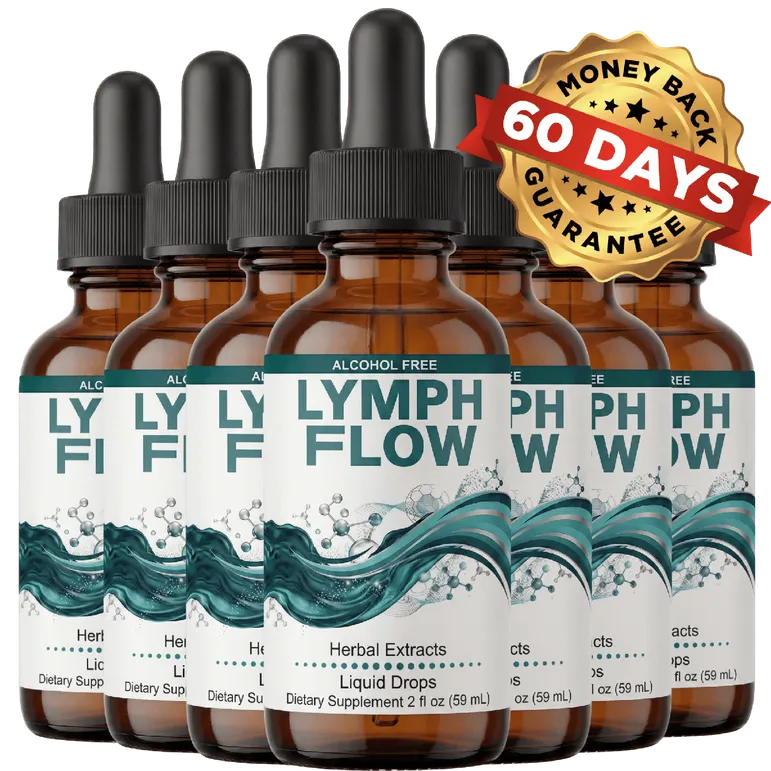
LymphFlow blends traditional cleansing and lymphatic botanicals into easy, alcohol-free drops — a simple daily tonic backed by a 60-day money-back guarantee.
 See LymphFlow Packages
Nettle dosing context
Because nettle is food-grade, its traditional amounts are generous, and understanding the forms helps you read any label sensibly:
Culinary and infusion use
Cooked nettle is eaten like spinach, and a strong nettle-leaf infusion — a big handful of dried leaf steeped for hours — is a classic mineral tonic. These are hearty, food-level amounts.
Concentrated extracts and capsules
Dried-leaf capsules and standardised extracts concentrate the actives, so the daily amount is smaller than a pot of tea. Products vary, which is why the label — not a generic number — is your guide.
Liquid drops
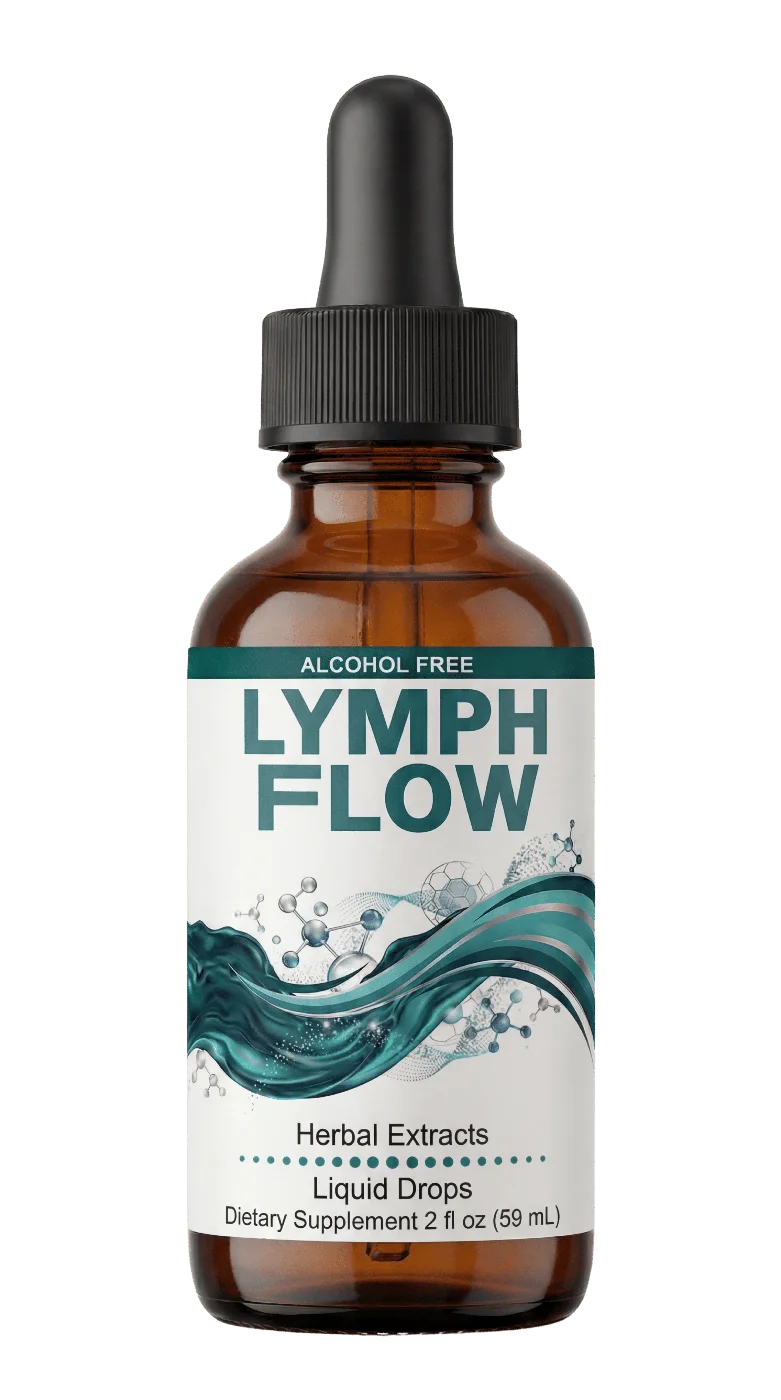
To be plain about it: stinging nettle is not one of the botanicals in LymphFlow. That formula is cleavers, red root, burdock, dandelion, echinacea, astragalus, ginger and milk thistle — nettle is not among them. We write about nettle because it is the herb most often suggested alongside a lymphatic routine, and because its mineral-and-diuretic reputation is widely misread. If you want nettle, buy it as nettle rather than assuming a drainage blend contains it. Whatever the format, the rule holds — follow the product's own serving directions and give it time.
What to look for on a nettle label
Use this checklist when you compare products:
1. Species and plant part
The label should name Urtica dioica and specify the part: leaf for a nourishing, diuretic tonic, or root, which is a different remedy with its own traditional uses. Leaf and root are not interchangeable, so the distinction matters.
2. A clue about quality
Good nettle is a vivid green, reflecting its chlorophyll and careful drying. Products that mention the leaf being dried at low temperature or harvested young are usually paying attention to quality.
3. Alcohol-free if you take it daily
A mineral tonic is a long-game herb, so if you are taking it for weeks an alcohol-free base is gentler for everyday use. We break down the format question in our guide to alcohol-free herbal tinctures vs alcohol-based extracts.
4. Sensible companions and honest claims
In a lymphatic formula, nettle pairs naturally with the drainage and liver-support herbs. Look for language describing traditional or general use, and skip anything promising to “flush toxins” overnight or “cure” a condition.
How nettle fits a whole-body routine
Nettle is the “gentle nourisher” piece of the puzzle, but it works best as part of a bigger picture. The lymphatic system responds to movement, hydration and breathing; the kidneys need good hydration to do their filtering; and a mineral-rich diet supports the whole cleansing system. A tonic herb slots into that framework — it does not replace it. For two closely related cleansing roots, see our guide to burdock and dandelion root benefits for detox, and to understand the daily habits that do most of the heavy lifting, start with our natural lymphatic support guide.
You can also learn more about the full formula and how the botanicals are chosen on the LymphFlow ingredients page. The through-line is simple: pick traditional herbs with a clear rationale, deliver them gently, and take them consistently.
Add Gentle Detox Support to Your Day
Frequently asked questions
What is stinging nettle good for?
Stinging nettle (Urtica dioica) is a mineral-rich leafy herb traditionally used as a gentle spring tonic. Herbalists classify it as both an alterative and a mild diuretic, meaning it is associated with supporting the body's own cleansing pathways — particularly the kidneys — and with general nourishment. It is a food-grade wellness herb, not a treatment for any disease.
How does nettle support detox and the lymphatic system?
Nettle is traditionally used as a gentle diuretic that encourages normal urine flow, which is one of the ways the body clears the waste that lymph and blood deliver to the kidneys. As an alterative it is grouped with the classic blood- and lymph-cleansing herbs. Its rich content of minerals and flavonoids also makes it a nourishing tonic rather than a harsh purge.
Is nettle a diuretic?
Yes, nettle leaf is traditionally used as a mild diuretic — a herb that gently supports normal fluid elimination through the kidneys. Because it also supplies potassium and other minerals, it is considered a nourishing diuretic rather than a depleting one. Anyone taking diuretic or blood-pressure medication should speak with a physician before using it.
How much nettle is typically taken?
Nettle is food-grade, so traditional amounts are generous — it is eaten as a cooked green and drunk as a strong infusion. Concentrated extracts, capsules and liquid drops use far less plant material than a pot of tea. Always follow the serving size on the product label and start at the lower end.
Who should be cautious with nettle?
People who are pregnant or nursing, who take diuretics, blood thinners, blood-pressure or blood-sugar medication, or who are managing a kidney condition should speak with a physician before using nettle. The fresh plant stings on contact, but dried, cooked or extracted nettle does not. It is not intended to diagnose, treat, cure or prevent any disease.
References
- Detoxes and Cleanses: What You Need To Know (National Center for Complementary and Integrative Health)
- Stinging Nettle (Urtica dioica) Roots: The Power Underground-A Review (Plants, 2025)
- Urtica dioica L. Phytochemistry, Green Extraction Techniques, Molecular Mechanisms, and Gene Expression Modulation: A Comprehensive Review (Antioxidants, 2026)
- Grieve M. A Modern Herbal. (Entry: Nettle, Urtica dioica.)
Research on an individual botanical is not evidence about any finished blend. No clinical trial has been published on the LymphFlow formula itself, and none of the sources above tested it. Every link was checked against its source record on 3 September 2026.
† These statements have not been evaluated by the FDA. This product is not intended to diagnose, treat, cure or prevent any disease. This article is for general information only and is not medical advice.