Lymph Flow Ingredients: The Full List of Eight Herbs
The full Lymph Flow ingredients list has eight plant extracts in an alcohol-free liquid: cleavers, red root, burdock root, dandelion root, echinacea, astragalus, ginger and milk thistle. All eight are traditional botanicals.
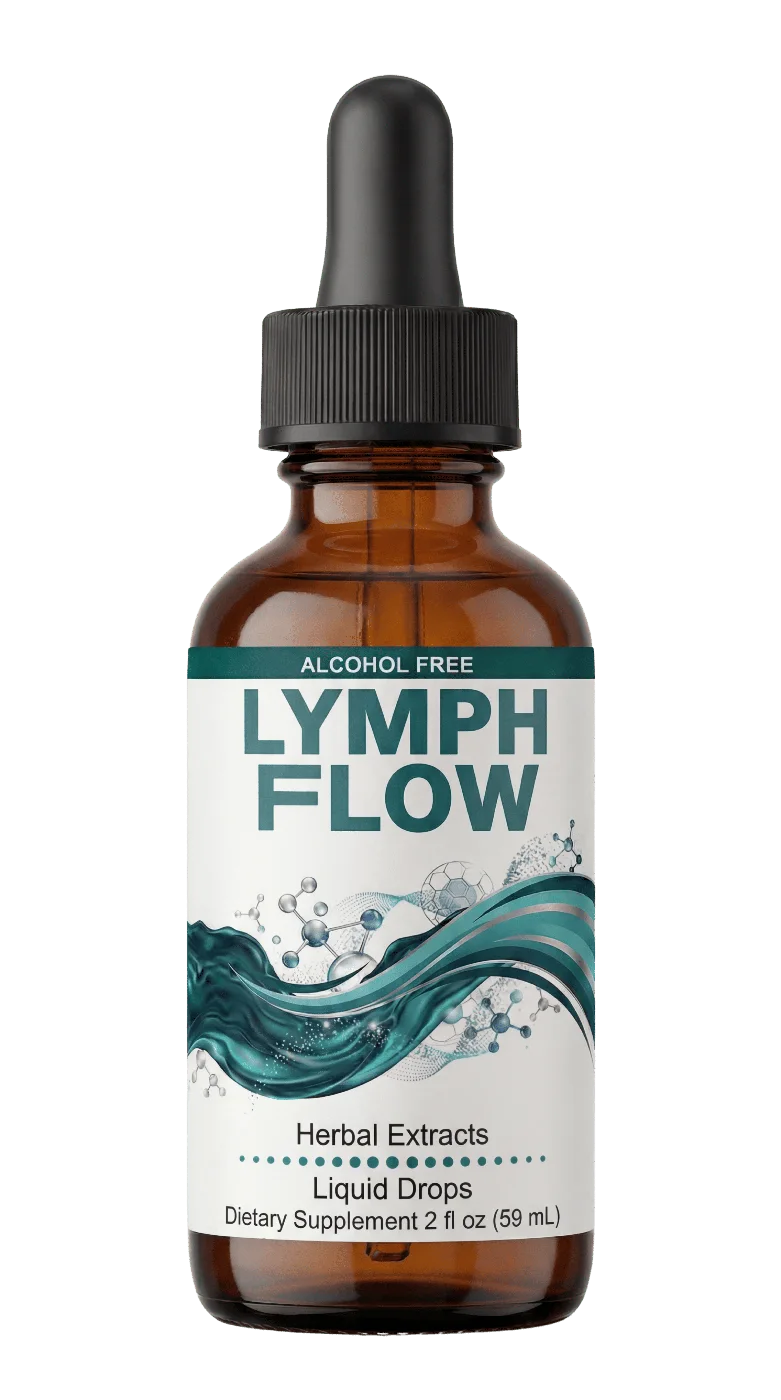
The Lymph Flow ingredients are eight traditional botanicals held in an alcohol-free liquid base. They are cleavers, red root, burdock root, dandelion root, echinacea, astragalus, ginger and milk thistle. Below, each herb is named with its Latin name and the role herbal tradition gives it. These are traditional and general uses, not medical claims.
The Lymph Flow ingredients list at a glance
Each 2 fl oz (59 mL) bottle holds eight plant extracts. The formula has no alcohol and no stimulants, and it is non-GMO. It is a liquid, not a capsule. The brand writes its name as one word, LymphFlow, but many people type Lymph Flow, LymphaFlow or Lympha Flow. All of those spellings point to the same product.
The herbs fall into three loose groups: the lymph-first pair, the traditional roots and the supporting herbs. We use those groups below.
The lymph-first pair: cleavers and red root
Cleavers (Galium aparine) is the classic lymph herb of Western herbalism. It has been used in tradition to support the body's natural lymphatic drainage. You can read more in our cleavers guide.
Red root (Ceanothus americanus) has long been used in traditional practice to support a sluggish lymphatic system and healthy fluid movement. Our red root guide goes deeper.
These two lead the formula, which is why the brand is described as lymph-first.
The traditional roots: burdock and dandelion
Burdock root (Arctium lappa) is a time-honoured root used in tradition to support the body's everyday cleansing pathways and clear, healthy skin.
Dandelion root (Taraxacum officinale) is traditionally used to support healthy liver function and the body's normal fluid balance. We cover both roots together in our burdock and dandelion root guide.
The supporting herbs: echinacea, astragalus, ginger and milk thistle
Echinacea (Echinacea purpurea) is a well-known botanical traditionally used to support immune and lymphatic health. See our echinacea guide.
Astragalus (Astragalus membranaceus) is an adaptogenic root used in traditional practice to support resilience and everyday immune function. Our astragalus guide has the background.
Ginger (Zingiber officinale) is a warming botanical traditionally used to support healthy circulation and comfortable digestion. Read the ginger root guide.
Milk thistle (Silybum marianum) is prized in herbal tradition for supporting the liver, one of the body's key organs for everyday cleansing. The milk thistle guide explains how.
Why the base is alcohol-free
Many herbal tinctures are held in alcohol. Lymph Flow is an alcohol-free liquid, so the extracts are already dissolved and the serving is a simple dropper. People who avoid alcohol often prefer this style. Our guide to alcohol-free and alcohol-based tinctures explains the trade-offs, including taste.
What this list cannot tell you
This page names the herbs. It does not list amounts, and it is not a Supplement Facts panel. The label on your bottle is the place to check the full formula. We also do not hold the manufacturer's certificates. The brand says the drops are bottled in an FDA-registered, GMP-certified U.S. facility, and those terms describe the plant. They are not an approval of the formula.
No clinical trial has been published on the finished Lymph Flow blend. Research exists on some single herbs, which is a weaker thing. Traditional use is the honest frame for every botanical on this list.
Who should check with a professional first
Herbal does not mean risk-free. Anyone who is pregnant, nursing, under 18, managing a medical condition or taking prescription medication should check with a physician or pharmacist before starting. That includes people who take medicine that affects clotting, because ginger is on the list. Our side effects and safety guide covers the questions to ask.
How the eight herbs fit together
A blend is more than a list. Lymph Flow pairs two lymph-first herbs with two traditional roots, then adds herbs that herbal tradition links with immune resilience, circulation and the liver. The idea is a rounded daily formula rather than a single-herb product. It is also why the label reads as a blend of traditional lymphatic and cleansing botanicals.
None of this means every herb does something you will notice. Traditional use is a starting point, and individual results vary. What the format does offer is simplicity: eight extracts, one bottle and one dropper routine. If you prefer to compare formulas, put the ingredient list of any product next to this one and see which herbs overlap.
How to take the drops
Fill the dropper with a serving as directed on the label. Place it under your tongue or stir it into a little water, once or twice a day. Our dosage guide has the details, and the price and packages guide shows the three options with a 60-day money-back guarantee.
See the eight-herb formula for yourself
A 2 fl oz alcohol-free dropper bottle with a 60-day money-back guarantee, sold through the official website.
 See Lymph Flow Packages
Frequently asked questions
What are the Lymph Flow ingredients?
Lymph Flow holds eight plant extracts in an alcohol-free liquid: cleavers, red root, burdock root, dandelion root, echinacea, astragalus, ginger and milk thistle. It has no alcohol and no stimulants.
Does Lymph Flow contain nettle?
No. Nettle is not on the list of eight botanicals. If you are comparing lymphatic herbs, put the ingredient lists side by side.
Where can I see the amount of each herb?
Read the Supplement Facts panel on the product label. This guide describes each botanical and its traditional use, but it does not list amounts.
Is the Lymph Flow formula alcohol-free?
Yes. The eight plant extracts sit in an alcohol-free liquid, and there are no stimulants in the formula.
Is Lymph Flow made with traditional botanicals?
Yes. All eight ingredients are traditional botanicals held in an alcohol-free liquid.
Lymph Flow is a general wellness supplement and this article is for general information only. It is not medical advice. Ingredient descriptions reflect traditional or general use. No clinical trial has been published on the finished Lymph Flow formula.